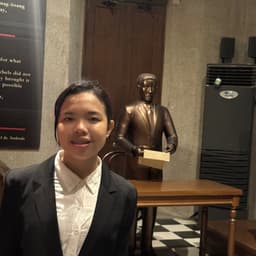
Fort Santiago is one of the most significant historical sites in the Philippines and a top highlight of any visit to Intramuros old town in Manila City. Built during the Spanish colonial period, this fortress served as a defense citadel and later became a key location during World War II. Most notably, it was the final holding cell of national hero Dr. Jose Rizal before his execution in 1896. Here stands the result shrine this place was the former soldiers barracks which had a pantry and food storage before it was used as a cell for Jose Rizal. Today Rizal shrine or Museo ni Jose Rizal pays tribute to the life work of the country's national hero through its themed settings and relics. Now we enter the dungeons. This used to be gunpowder magazines before being converted into prison cells. After the Battle of Manila in 1945, 600 decomposing bodies of prisoners were found here. The remains were subsequently buried and mass on an open ground nearby and is marked with a white marble cross. This site used to be the Casa de Castellano the residents at the fort commander. This was built in the 16th century to protect the entrance from the Pasig River. The ground floor of the baluarte de santa barbara has recently been converted to an educational facility known as the 'iMake history LEGO Education Center". Casa Braga means false wall, this deceived the enemy and protected the fort from heavy bombardment. From a military site that bore witness to manila's multi-layered and at times, tumultuous past. Fort Santiago is today a National Shrine that welcomes visitors to learn and relive our peoples journey onto becoming this nation called the Philippines.