Text-to-Speech: Der vollständige Leitfaden zur KI-Sprachtechnologie im Jahr 2026

Wenn Sie jemals ein Voiceover für ein Video benötigt haben, einen Artikel während der Fahrt zur Arbeit als Audio abspielen wollten oder versucht haben, ein Skript in eine Erzählung zu verwandeln, ohne ein Studio zu buchen, sind Sie bereits mit Text-to-Speech (TTS) in Berührung gekommen. Was sich im Jahr 2026 geändert hat, ist nicht das Konzept, sondern das Erlebnis: Modernes TTS ist flüssig genug geworden, um praktisch zu sein, und konsistent genug, um in echte Produktionsabläufe zu passen. Infolgedessen ist die Lücke zwischen „KI-Stimme“ und „menschlicher Stimme“ so weit geschrumpft, dass die meisten Zuhörer den Unterschied nicht bemerken werden, sofern sie nicht aktiv darauf achten.
Dieser Leitfaden richtet sich an Konsumenten und Ersteller, nicht an Ingenieure. Dementsprechend konzentriert er sich auf die Entscheidungen, die in der Praxis zählen: was TTS ist, warum es jetzt natürlich klingt, wie KI-Systeme es als Teil eines breiteren Workflows nutzen und was dies in alltäglichen Anwendungsfällen ermöglicht. Mit dieser Grundlage sind Sie auch besser aufgestellt, um Tools zu bewerten und eine Option zu wählen, die zu Ihren Inhalten, Sprachbedürfnissen und dem beabsichtigten Verwendungszweck passt.
Was ist Text-to-Speech (TTS)?
Im Kern wandelt Text-to-Speech geschriebene Sprache in gesprochenes Audio um. Sie geben Text ein, wählen eine Stimme aus und generieren eine Audiodatei, die als Voiceover, Lektionserzählung, Hörbuchentwurf oder gesprochene Antwort innerhalb einer Anwendung dienen kann. Obwohl der Prozess einfach erscheint, lässt sich seine Bedeutung leichter verstehen, wenn man bedenkt, warum Audio zu einem Standardformat im modernen Leben geworden ist. Menschen hören zu, während sie pendeln, spazieren gehen, arbeiten, editieren oder Multitasking betreiben. In vielen Kontexten hält eine Stimme die Aufmerksamkeit effektiver als Text, insbesondere auf Plattformen, auf denen Timing und Kundenbindung wichtig sind.
Warum modernes TTS natürlich klingt
Historisch gesehen klang TTS oft roboterhaft, da frühere Systeme auf festen Regeln und einer begrenzten akustischen Modellierung basierten. Sie konnten Wörter klar aussprechen, hatten jedoch Schwierigkeiten mit den Qualitäten, die Sprache menschlich wirken lassen: Tempo, Betonung und die subtilen Variationen, die verhindern, dass eine Stimme flach klingt. Im Gegensatz dazu wird modernes TTS weitgehend von neuronalen Netzen gesteuert, die auf großen Datensätzen menschlicher Sprache trainiert wurden. Anstatt sich auf handgefertigte Ausspracheregeln zu verlassen, lernen diese Modelle Muster von echten Sprechern: wie Fragen am Ende ansteigen, wo natürliche Pausen entstehen und wie der Tonfall die Bedeutung verändert. Folglich „lesen“ starke Systeme nicht nur Text; sie erzeugen Sprache, die Rhythmus, Absicht und eine menschlichere Kadenz in sich trägt.
Von der Barrierefreiheit zur Mainstream-Produktion
TTS bewies seinen Wert zuerst durch Barrierefreiheit. Screenreader helfen sehbehinderten Nutzern, durch digitale Inhalte zu navigieren, während Audiounterstützung schriftliches Material für Menschen mit Legasthenie zugänglicher machen kann; in persönlicheren Situationen kann Sprachtechnologie auch Personen helfen, die die Fähigkeit zu sprechen verloren haben, effektiver zu kommunizieren. Barrierefreiheit war jedoch erst der Anfang. Als die Sprachgenerierung sowohl natürlich als auch steuerbar wurde, weitete sich TTS auf die alltägliche Produktion aus: Erzählungen für YouTube und Kurzvideos, Erklärfilme, Hörbuchentwürfe, Dialoge in Spielen, Sprachenlernen, Sprachassistenten und Kundensupport-Erlebnisse.
Diese Expansion signalisiert einen umfassenderen Wandel. Wenn TTS eine produktionsreife Qualität erreicht, ändert dies die Möglichkeiten für Teams mit demselben schriftlichen Input. Ein Skript kann schnell getestet, ohne Neuaufnahme überarbeitet und über Sprachen hinweg lokalisiert werden, ohne die Studiozeit zu vervielfachen oder Talente koordinieren zu müssen. Vor diesem Hintergrund konzentriert sich der nächste Abschnitt auf den praktischen Mechanismus hinter diesem Wandel: nicht die Mathematik, sondern die Workflow-Logik, wie KI-Systeme TTS als Sprachebene nutzen.
Wie KI TTS nutzt (über das bloße „Vorlesen von Text“ hinaus)
Obwohl TTS oft als „Vorlesen von Text“ beschrieben wird, unterschätzt diese Definition, was es im Jahr 2026 geworden ist. Die bedeutendere Änderung ist strukturell: TTS ist kein eigenständiges Feature mehr, das am Ende eines Prozesses angewendet wird, sondern eine Sprachebene, die direkt mit modernen KI-Workflows verbunden ist, einschließlich Schreibassistenten, Chatsystemen, Übersetzungspipelines und Tools zur Inhaltsproduktion. Daher ist die relevante Frage weniger, ob ein System sprechen kann, sondern vielmehr, was möglich wird, wenn schriftliche Inhalte nach Bedarf in eine kontrollierte, wiederholbare Sprachausgabe umgewandelt werden können.
In der Praxis ist der Workflow unkompliziert. Zuerst generiert oder verfeinert ein KI-System den zugrunde liegenden Inhalt, wie ein Skript, einen Unterrichtsplan, eine Produktbeschreibung oder eine Support-Antwort. Als Nächstes wandelt TTS diesen Text in Audio um. Schließlich wird das Audio dort bereitgestellt, wo Menschen tatsächlich zuhören, einschließlich Videos, Podcasts, Apps, Lernplattformen und Sprachschnittstellen. TTS ersetzt also nicht das Schreiben; es erweitert das Schreiben um ein Audioformat, das einfacher zu verbreiten, zu testen und zu skalieren ist.
Vom Text zur Stimme: Was im System passiert
Die meisten modernen TTS-Plattformen erfüllen zwei miteinander verknüpfte Funktionen. Die erste ist die Interpretation. Das System analysiert den Text, löst Aussprachemehrdeutigkeiten auf und bestimmt die Phrasierung, wo Pausen gesetzt werden sollen, welche Wörter betont werden müssen und wie der Satz fließen soll. Dieser Schritt ist wichtig, da gesprochene Sprache kein direktes Spiegelbild der geschriebenen Sprache ist; eine korrekte Aussprache kann dennoch unnatürlich klingen, wenn Tempo und Betonung nicht stimmen.
Die zweite ist die Synthese. Der interpretierte Text wird in eine interne akustische Darstellung umgewandelt (oft als spektrogrammähnlicher Entwurf beschrieben), die dann von einem speziellen Modell in eine hörbare Wellenform transformiert wird. Anders ausgedrückt: Eine Komponente bestimmt, wie die Sprache in Struktur und Timing klingen soll, während eine andere den Ton selbst erzeugt. Das Ergebnis ist, dass modernes TTS weniger regelgesteuert und mehr mustergesteuert ist: Es lernt von menschlicher Sprache und reproduziert die Hinweise, die Zuhörer mit einer natürlichen Darbietung assoziieren, einschließlich Mikropausen, Tonhöhenbewegungen und konversationsartiger Kadenz.
Warum dies im großen Maßstab nützlich wird
Sobald TTS eine hohe Zuverlässigkeitsschwelle erreicht, wird es zu einer Produktionsebene statt zu einer Neuheit. Da die Eingabe Text ist, können Teams schnell iterieren: Sie können eine Zeile überarbeiten, nur den betroffenen Abschnitt neu generieren und einen konsistenten Tonfall über wiederholte Ausgaben hinweg beibehalten, ohne Aufnahmesitzungen koordinieren oder große Audiodateien bearbeiten zu müssen. Darüber hinaus kann dieselbe schriftliche Nachricht für verschiedene Formate, Voiceovers, In-App-Erzählungen, Trainingsinhalte oder Support-Flows umfunktioniert werden, während der Produktionsaufwand vorhersehbar bleibt.
Dies ist der Grund, warum die TTS-Adoption in verschiedenen Gruppen beschleunigt wurde. Ersteller nutzen es, um die Reibung bei Erzählungen zu verringern und den Output zu skalieren, ohne dass die Aufnahme zum Flaschenhals wird. Produkt- und Marketingteams nutzen es, um eine einzige Nachricht in mehrere Ergebnisse zu übersetzen, einschließlich lokalisierter Sprachversionen, ohne Assets von Grund auf neu erstellen zu müssen. Support- und Bildungsteams nutzen es, um gesprochene Inhalte konsistenter bereitzustellen, insbesondere in Kombination mit Konversationssystemen und strukturierten Skripten. Zusammenfassend deuten diese Anwendungsfälle auf denselben Schluss hin: Wenn Sprache so einfach zu produzieren ist wie Text, hört Audio auf, ein spezialisiertes Ergebnis zu sein, und wird zu einer praktischen Erweiterung alltäglicher Content-Workflows.
Die Entwicklung von TTS: Von roboterhaft zu bemerkenswert menschlich
Da TTS nun eher als Produktionsebene denn als Neuheit fungiert, stellt sich die nächste Frage: Warum geschah dieser Wandel so schnell? Die kurze Antwort lautet, dass TTS nicht durch das Hinzufügen von mehr Regeln besser wurde; es verbesserte sich durch eine Änderung der Methode. Im Laufe der Zeit bewegte sich das Feld von der handgefertigten Sprachsynthese hin zu datengesteuerten neuronalen Modellen. Dieser Übergang führte dazu, dass Sprache weniger nach einer Maschine klingt, die Anweisungen ausführt, sondern eher nach einem Sprecher, der eine Bedeutung vermittelt.
Die frühe Ära: verständlich, aber synthetisch
Frühe TTS-Systeme waren darauf ausgelegt, primär verständlich und erst sekundär natürlich zu sein. Infolgedessen erzeugten sie oft eine Sprache, die für einfache Anwendungsfälle – insbesondere Barrierefreiheit – klar genug war, aber dennoch unverkennbar synthetisch klang. Die Einschränkungen waren nicht subtil, da der Rhythmus starr wirken konnte, Pausen an unnatürlichen Stellen landeten und die Betonung selten dazu passte, wie Menschen tatsächlich sprechen. In der Praxis verhielten sich diese Systeme eher wie Aussprachemaschinen als wie Performer, was bedeutete, dass sie zwar Wörter vermitteln konnten, aber Schwierigkeiten hatten, eine Absicht zu transportieren.
Der neuronale Wandel: Prosodie aus Daten lernen
Die moderne Ära von TTS begann, als die Sprachgenerierung zu einem Lernproblem wurde. Anstatt sich auf lange Listen handgefertigter Regeln zu verlassen, wurden neuronale Netze auf großen Korpora aufgezeichneter menschlicher Sprache trainiert. Dies ermöglichte es den Modellen, Muster aufzunehmen, die schwer explizit zu kodieren sind. Dies ist wichtig, da menschliche Sprache durch Prosodie, Timing, Betonung, Tonhöhenbewegung und Mikropausen geformt wird, die über den buchstäblichen Text hinaus Bedeutung tragen. Sobald Modelle diese Hinweise aus Daten lernen konnten, begann TTS nicht deshalb natürlicher zu klingen, weil es in der Aussprache „genauer“ wurde, sondern weil es in der Darbietung genauer wurde.
Ein weithin zitierter Wendepunkt kam Mitte der 2010er Jahre mit neuronalen Ansätzen, die die Obergrenze für Realismus anhoben. Sie zeigten, dass synthetische Sprache Texturen und Variationen aufweisen kann, die frühere Methoden nicht reproduzieren konnten. Obwohl frühe neuronale Systeme rechenintensiv sein konnten, war die Richtung klar: Natürlichkeit war erreichbar, und die verbleibende Herausforderung bestand darin, diese Qualität in etwas Stabiles, Schnelles und Einsetzbares zu verwandeln.
Warum es jetzt wichtig ist: Realismus, Geschwindigkeit und Kontrolle
Im Jahr 2026 besteht der praktische Unterschied darin, dass qualitativ hochwertige Sprache nicht mehr auf Demos beschränkt ist; sie ist im großen Maßstab nutzbar. Nachfolgende Fortschritte machten die Synthese schneller und zuverlässiger, während Verbesserungen bei den „Vocoder“-Komponenten die Latenz verringerten und die Klarheit verbesserten. Gleichzeitig lernten die Plattformen, dass Realismus allein für echte Workflows nicht ausreicht. Ersteller und Teams benötigen Kontrollierbarkeit, einschließlich konsistentem Tempo, vorhersehbarer Aussprache und der Fähigkeit, Stil oder Emotionen zu steuern, da die Produktion iterativ ist. Folglich wird modernes TTS nicht nur danach beurteilt, wie menschlich es klingt, sondern auch danach, wie konsistent es die beabsichtigte Stimme über wiederholte Ausgaben hinweg liefern kann.
Diese Entwicklung definiert TTS als Werkzeug für Entscheidungen neu, nicht nur für die Generierung. Sobald Sprache im gleichen iterativen Rhythmus wie das Schreiben produziert, überarbeitet und lokalisiert werden kann, werden neue Anwendungen standardmäßig praktikabel. Das führt zur handlungsrelevantesten Frage: Wenn produktionsreifes TTS verfügbar ist, welches sind heute die wertvollsten Möglichkeiten, es zu nutzen?
Was Sie heute mit TTS tun können
Heutzutage klingt TTS natürlich und bleibt über Regenerationen hinweg konsistent. Dadurch wird es praktisch für die tägliche Produktion, da Sie Sprachausgaben mit demselben Iterationszyklus generieren, überprüfen und anpassen können, den Sie bereits für das Schreiben verwenden. In der Praxis weisen die stärksten Anwendungsfälle ein gemeinsames Muster auf: Der Inhalt beginnt bereits als Text, und TTS verwandelt diesen Text einfach in Audio, ohne einen separaten Aufnahme-Workflow hinzuzufügen. Infolgedessen können Teams schnell agieren und gleichzeitig den Tonfall über Projekte, Sprachen und Formate hinweg konsistent halten.
Content-Erstellung im großen Stil
Für viele Ersteller ist nicht die Erzählung der kreative Flaschenhals, sondern die Aufnahme. Ein Skript mag Zeit zum Schreiben benötigen, aber die Aufnahme führt andere Einschränkungen ein: einen ruhigen Ort finden, Takes wiederholen und das Audio bereinigen, damit es konsistent klingt. Wenn TTS als Sprachebene verwendet wird, wird die Produktion iterativer. Sie können ein Skript entwerfen, einen ersten Durchgang generieren, auf Tempoprobleme achten und nur die Zeilen neu generieren, die verbessert werden müssen, anstatt eine gesamte Aufnahmesitzung neu zu starten. Infolgedessen können Ersteller häufiger veröffentlichen, ohne die Basisqualität des Audios zu beeinträchtigen, insbesondere in Formaten wie Erklärvideos, Tutorials und Social-Media-Videos, bei denen Klarheit und Konsistenz wichtiger sind als eine theatralische Darbietung.
Wichtig ist, dass TTS mehrsprachigen Output praktischer macht. Anstatt denselben Inhalt in einer anderen Sprache neu aufzunehmen, können Teams das Skript übersetzen, Audio generieren und das Ergebnis mit weit weniger Aufwand validieren. Dies ersetzt nicht die Notwendigkeit einer Überprüfung; es reduziert jedoch die Kosten für Experimente, was oft den Unterschied zwischen „wir könnten lokalisieren“ und „wir haben es tatsächlich getan“ ausmacht.
Hörbücher und Long-Form-Erzählungen
Langformatiges Audio stellt eine andere Herausforderung dar: nicht nur Qualität, sondern Ausdauer. Die traditionelle Hörbuchproduktion erfordert Koordination, Studiozeit und umfangreiche Postproduktion, was sie teuer und langsam macht. TTS verändert den Workflow, indem es ein Manuskript schnell in einen Erzählentwurf verwandelt. So können Autoren, Pädagogen und Verleger Struktur und Tempo testen, bevor sie sich auf einen vollen Produktionsprozess festlegen. Daher ist TTS oft als Vorbereitungsebene am wertvollsten. Es ist nützlich für Sachbücher, Lehrinhalte und einfache Prosa, bei denen Klarheit und Konsistenz die Hauptziele sind.
Dennoch deckt die langformatige Erzählung auch Schwächen auf, die kurze Clips verbergen können. Wenn eine Stimme leicht unnatürlich klingt, werden Zuhörer dies über eine Stunde eher bemerken als über eine Minute. Daher investieren Teams, die TTS für Langform-Arbeiten nutzen, typischerweise mehr in die Stimmauswahl, Tempokontrolle und die Überprüfung Abschnitt für Abschnitt, wobei sie den Prozess eher als redaktionell denn als vollautomatisch betrachten.
Barrierefreiheit und inklusives Design
Barrierefreiheit bleibt eine der bedeutendsten Anwendungen von TTS, und moderne Verbesserungen haben erweitert, wie sich „barrierefrei“ anfühlen kann. Screenreader und Leseassistenten sind effektiver, wenn die Stimme nicht nur verständlich ist, sondern man ihr auch gerne zuhört, insbesondere bei längeren Sitzungen. Darüber hinaus hilft TTS dabei, Barrieren für Menschen abzubauen, die Informationen besser über Audio verarbeiten, einschließlich Personen mit Legasthenie oder Aufmerksamkeitsstörungen. Da digitale Erlebnisse globaler werden, unterstützt mehrsprachiges TTS auch die Inklusion, indem Informationen in gesprochener Form über Sprachen hinweg verfügbar gemacht werden, was besonders wertvoll ist, wenn das Alphabetisierungsniveau oder der Lesekomfort je nach Zielgruppe variiert.
Über den Konsum hinaus kann TTS auch die Kommunikation ermöglichen. Für Personen, die Schwierigkeiten beim Sprechen haben, kann Sprachtechnologie – bei angemessener Zustimmung und Schutzmaßnahmen – eine natürlichere Interaktion im täglichen Leben unterstützen. Mit anderen Worten: Der „Nutzen“ von TTS beschränkt sich nicht auf Bequemlichkeit; es kann auch eine bedeutende Barrierefreiheitsebene sein, die Unabhängigkeit und Teilhabe verbessert.
Kundensupport und Bildung
Kundensupport und Bildung teilen eine ähnliche Einschränkung: Dieselbe Erklärung muss wiederholt, klar und mit minimaler Reibung geliefert werden. Im Support-Umfeld kann TTS gesprochene Antworten auf Routinefragen liefern, Wartezeiten verkürzen und konsistentere Benutzererlebnisse schaffen, wenn es mit gut strukturierten Skripten kombiniert wird. Während ein menschlicher Agent für komplexe Probleme unerlässlich bleibt, kann eine produktionsreife Sprachebene vorhersehbare Anfragen bearbeiten und Benutzer durch gängige Schritte führen, ohne sie zum Lesen langer Anweisungen zu zwingen.
In der Bildung unterstützt TTS das hörbasierte Lernen, Ausspracheübungen und ein flexibles Tempo. Eine Lektion kann in verschiedenen Geschwindigkeiten, mit verschiedenen Akzenten oder mit klarerer Artikulation für Anfänger geliefert werden, was durch manuelle Aufnahmen kostspielig zu erreichen wäre. Folglich ist TTS nicht nur eine Wahl des Inhaltsformats; es wird zu einer Möglichkeit, den Unterricht an verschiedene Lernende anzupassen, ohne den Kurs von Grund auf neu erstellen zu müssen.
Zusammengenommen veranschaulichen diese Anwendungsfälle denselben zugrunde liegenden Vorteil: Wenn Audio so zuverlässig wie Text generiert werden kann, wird Stimme zu einem Standard-Output statt zu einem spezialisierten Ergebnis. In diesem Sinne besteht der nächste Schritt darin, ein Tool zu wählen, das Ihren Prioritäten in Bezug auf Qualität, Sprachunterstützung, Kontrollierbarkeit, Workflow-Passung und Lizenzierung entspricht, damit die praktischen Vorteile in echte Ergebnisse umgemünzt werden.
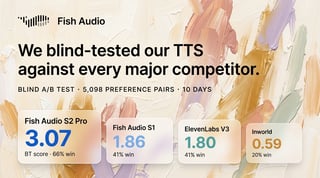
Empfohlene Marke: fish.audio

Eine einfache Checkliste zur Auswahl eines TTS-Tools
Beginnen Sie mit der Qualität, aber definieren Sie Qualität so, dass sie zur tatsächlichen Nutzung passt. Eine Stimme kann in einer zehnsekündigen Demo beeindruckend klingen und die Zuhörer in einer zehnminütigen Erzählung dennoch ermüden. Daher hilft es, mit Ihrer tatsächlichen Skriptlänge und Ihrem Stil zu testen. Suchen Sie als Nächstes nach Kontrollierbarkeit. Wenn Sie regelmäßig Inhalte produzieren, müssen Sie Tempo, Betonung und Tonfall anpassen können, ohne alles neu zu schreiben. Das bedeutet, dass das Tool zuverlässig auf Satzzeichen, Segmentierung und alle verfügbaren Stilkontrollen reagieren sollte. Die Sprachanpassung ist ebenso wichtig: Wenn Ihr Publikum zweisprachig ist oder Ihr Inhalt nicht-englische Begriffe enthält, wird der Unterschied zwischen „unterstützt“ und „natürlich“ schnell offensichtlich. Bestätigen Sie schließlich frühzeitig Lizenzierung und Preise. Viele Nutzer entdecken Einschränkungen erst nach dem Aufbau eines Workflows. Daher lohnt es sich zu prüfen, ob die kommerzielle Nutzung in Ihrem Plan erlaubt ist und welche Einschränkungen für Voice Cloning oder verifizierte Stimmen gelten.
Warum Fish Audio in gängige Creator-Workflows passt
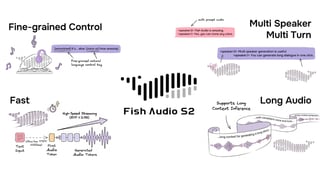
Anhand dieser Checkliste sticht Fish Audio oft für Ersteller und Teams hervor, die eine Balance aus Natürlichkeit, Kontrolle und mehrsprachiger Leistung benötigen, insbesondere im Kontext von Chinesisch und anderen asiatischen Sprachen. Die Sprachqualität ist oft der erste Grund, warum Nutzer bleiben: Die Ausgabe kann bei längeren Erzählungen flüssig klingen, und die Plattform bietet praktische Hebel zur Gestaltung der Darbietung, anstatt einen einzigen neutralen Stil zu erzwingen. Das ist wichtig, da die meisten echten Skripte nicht so geschrieben sind, dass sie beim ersten Versuch perfekt gesprochen werden; sie erfordern Iteration, und ein Tool ist nur nützlich, wenn es stabil bleibt, wenn Sie Abschnitte neu generieren.
Die Sprachleistung ist ein weiteres gemeinsames Unterscheidungsmerkmal. Wenn Ihr Inhalt Mandarin, gemischtsprachige Markennamen oder Eigennamen enthält, die häufig in grenzüberschreitenden Produkten vorkommen, kann eine „fast korrekte“ Aussprache immer noch ablenken. Tools, die Tonfall, Rhythmus und Code-Switching natürlicher handhaben, reduzieren den Bearbeitungsaufwand und lassen das Endergebnis weniger synthetisch wirken. Für Teams, die zweisprachige Inhalte produzieren, summiert sich dieser Unterschied im Laufe der Zeit, da er sowohl die Überprüfungszyklen als auch die Anzahl der „kleinen Korrekturen“ reduziert, die die Veröffentlichung verlangsamen.
Fish Audio wird auch oft in Betracht gezogen, wenn Voice Cloning Teil des Workflows ist. In vielen realen Szenarien geht es beim Voice Cloning weniger um die perfekte Replikation als vielmehr um eine nutzbare Ähnlichkeit mit minimalem Aufwand. Dasselbe gilt für Long-Form-Workflows: Wenn ein Projekt Kapitel, mehrere Sprecher oder wiederholte Formatierungen umfasst, können Funktionen für die strukturierte Generierung Zeit sparen, indem sie die Überprüfung und Regeneration einfacher handhabbar machen.
Ein reibungsarmer Weg zur Evaluierung
Wenn Sie die Eignung ohne Vorabverpflichtung prüfen möchten, ist der einfachste Ansatz, ein Tool mit einem Skript zu testen. Verwenden Sie dieselbe 60–90 Sekunden lange Passage auf verschiedenen Plattformen, halten Sie Zeichensetzung und Segmentierung konsistent und bewerten Sie drei Dinge: ob die Stimme über den gesamten Clip natürlich bleibt, ob das Tool vorhersehbar reagiert, wenn Sie Tempo oder Tonfall anpassen, und ob die Lizenzbedingungen Ihrem Verwendungszweck entsprechen. Wenn diese Grundlagen stimmen, ist es sinnvoll, breitere Sprachoptionen, längere Inhalte oder eine API-Integration zu erkunden. Wenn nicht, ist der Wechsel des Tools in einem frühen Stadium weit günstiger als der spätere Neuaufbau einer Pipeline.
Die Zukunft von TTS
Sobald Sie TTS als Infrastrukturebene betrachten, die zwischen schriftlichem Inhalt und der realen Verbreitung liegt, wird die Zukunft leichter vorhersagbar. Fortschritte bedeuten nicht mehr nur, „menschlicher“ zu klingen. Stattdessen geht der Trend zu Stimmen, die persönlicher, kontrollierbarer und besser einsetzbar über Geräte und Kanäle hinweg sind, während die Branche gleichzeitig Schutzmaßnahmen gegen Missbrauch und für die Zustimmung einführt.
Zero-Shot und personalisierte Stimmen
Eine klare Richtung ist die schnellere Personalisierung. Voice Cloning bewegt sich in Richtung „Zero-Shot“-Verhalten, bei dem ein Modell einen Sprecher anhand von sehr wenig Audiomaterial annähern kann, anstatt lange Trainingssitzungen zu erfordern. In praktischer Hinsicht ermöglicht dies individuellere Erlebnisse: ein Assistent, der mit einer vertrauten Stimme spricht, ein Creator, der einen konsistenten Klang über seine Inhalte hinweg beibehält, auch wenn eine Aufnahme nicht möglich ist, oder lokalisierte Medien, die dieselbe Identität über Sprachen hinweg bewahren. Dieselbe Fähigkeit erhöht jedoch auch die Bedeutung von Zustimmung, Verifizierung und Richtlinienkontrollen, da die Hürde für Nachahmungen mit der Verbesserung der Technologie sinkt.
Feingliedrige emotionale Kontrolle
Ein zweiter Trend ist eine Kontrolle, die sich eher redaktionell als technisch anfühlt. Frühe TTS-Systeme waren entweder neutral oder übertrieben, was ihre Nützlichkeit außerhalb einfacher Erzählungen einschränkte. Zunehmend bieten Plattformen granularere Möglichkeiten zur Gestaltung der Darbietung an, wie Intensität, Betonung und emotionale Färbung, damit die Stimme zum Zweck des Inhalts passt, anstatt einen Standardton zu erzwingen. Für Ersteller und Teams ist dies wichtig, da die beste Erzählung selten „eine Emotion“ ist; sie ändert sich leicht zwischen einer Einleitung, einer Erklärung und einem Abschluss, und diese Verschiebungen machen Sprache erst absichtsvoll.
On-Device und multimodale Pipelines
Schließlich wird TTS besser einsetzbar. Da Modelle optimiert werden, kann mehr Synthese auf dem Gerät (On-Device) oder am Edge erfolgen, was die Latenz verringert, den Datenschutz verbessert und Sprachfunktionen auch bei begrenzter Konnektivität nutzbar macht. Gleichzeitig wird TTS zunehmend in multimodale Pipelines integriert: Textgenerierung, Übersetzung, Videobearbeitung und Veröffentlichungssysteme, die eine Idee mit weniger Übergabepunkten in ein fertiges Asset umwandeln. Das Ergebnis ist nicht einfach eine schnellere Audiogenerierung, sondern engere End-to-End-Workflows, bei denen Sprache als Standard-Output neben Text und Bildern produziert wird.
Diese Trends machen TTS leistungsfähiger, aber sie machen es auch sensibler gegenüber realen Einschränkungen. Deshalb ist das letzte Puzzleteil die Praxis: das Verständnis der häufigsten Fehlerquellen – Aussprache, Darbietungsqualität bei längeren Clips, Kosten und kommerzielle Nutzungsrechte –, damit Produktionsvorteile nicht mit vermeidbaren Risiken einhergehen.
Herausforderungen von TTS
Selbst mit produktionsreifen Tools ist TTS kein Selbstläufer. In den meisten Workflows treten Reibungspunkte an vorhersehbaren Stellen auf: Unbekannte Begriffe werden falsch ausgesprochen, lange Erzählungen können in eine flache Darbietung abdriften, und die Skalierung wirft Kosten- und Lizenzfragen auf, die man anfangs leicht übersieht. Die gute Nachricht ist, dass diese Probleme in der Regel beherrschbar sind, sobald man den TTS-Output als etwas betrachtet, das bearbeitet und validiert werden muss, anstatt ihn blind zu akzeptieren.
Falsche Aussprache und Fachbegriffe
TTS-Modelle lernen aus Trainingsdaten, daher können sie Schwierigkeiten mit Namen, Markenbegriffen und Nischenvokabular haben. Infolgedessen kann ein Skript, das auf dem Papier korrekt aussieht, im Audio immer noch falsch klingen. Die einfachsten Lösungen sind eher praktischer als technischer Natur: Schreiben Sie schwierige Begriffe phonetisch um, fügen Sie Satzzeichen hinzu, um Pausen zu steuern, oder trennen Sie zusammengesetzte Wörter, damit das Modell sie klarer artikuliert. Wenn die Plattform fortgeschrittene Steuerungen wie Aussprachewörterbücher oder SSML unterstützt, können diese die Konsistenz verbessern, aber selbst ohne sie lösen eine sorgfältige Segmentierung und kleine Textanpassungen in der Regel die meisten Fehler.
Flache Darbietung und Tempoprobleme
Ein zweites häufiges Problem ist eine Erzählung, die zwar korrekt, aber wenig ansprechend klingt. Dies geschieht oft, wenn das Skript wie ein Artikel geschrieben ist und nicht wie etwas, das gesprochen werden soll. Um die Darbietung zu verbessern, passen Sie das Schreiben an die Sprache an: Verkürzen Sie lange Sätze, variieren Sie die Satzstruktur und nutzen Sie Satzzeichen, um eine natürliche Betonung zu erzeugen. Darüber hinaus reagieren viele Plattformen gut auf eine abschnittsweise Generierung, da Tempo und Tonfall für eine Einleitung, eine Haupterklärung und einen Abschluss unterschiedlich abgestimmt werden können. Das Ziel ist keine dramatische Performance, sondern eine stetige, absichtsvolle Darbietung, die über längeres Zuhören angenehm bleibt.
Kosten, Lizenzierung und Zustimmung
Schließlich führt die Skalierung zu Einschränkungen jenseits der Sprachqualität. Die Preise steigen oft mit der Zeichenzahl oder den Audiominuten, was bedeutet, dass wiederholte Regenerationen teuer werden können, wenn die Workflows nicht diszipliniert sind. Wichtiger noch: Die kommerziellen Rechte variieren je nach Plattform und Plan, insbesondere für Voice Cloning oder Community-Stimmen. Daher lohnt es sich vor der Veröffentlichung zu bestätigen, was Ihr Plan erlaubt, welche Einschränkungen gelten und ob Zustimmungsanforderungen oder Verifizierungsschritte für die von Ihnen verwendeten Stimmen erforderlich sind. Wenn diese Grundlagen klar sind, lässt sich TTS viel sicherer einführen, da Sie einen Workflow skalieren, der sowohl technisch zuverlässig als auch kommerziell solide ist.
Fazit
Im Jahr 2026 ist TTS am besten als Produktionsebene zu verstehen: Es verwandelt Text schnell in nutzbares Audio, unterstützt Iterationen ohne Neuaufnahme und macht mehrsprachigen Output weita mehr praktikabel. Wenn Sie Tools anhand einer klaren Checkliste bewerten – Natürlichkeit über lange Clips, Kontrollierbarkeit, Sprachanpassung, Lizenzierung und Kosten –, können Sie TTS sicher einführen und gängige Fallstricke vermeiden.
FAQ
Was ist Text-to-Speech und wie funktioniert es?
Text-to-Speech (TTS) wandelt geschriebenen Text in gesprochenes Audio um. Modernes KI-TTS (1) interpretiert typischerweise Ihren Text – Aussprache, Phrasierung und Tempo – und (2) synthetisiert dann Audio mithilfe neuronaler Modelle, die auf der Grundlage gelernter Sprachmuster eine natürlich klingende Wellenform erzeugen.
Welches ist das am natürlichsten klingende Text-to-Speech-Tool?
Es gibt keine einzige beste Option für jeden, da „natürlich“ von der Sprache, dem Stimmstil und Ihrem Skript abhängt. In der Praxis ist der beste Ansatz, dieselbe 60–90 Sekunden lange Passage mit ein paar Top-Tools zu testen und die Konsistenz über den langen Clip hinweg zu beurteilen, anstatt sich auf kurze Demos zu verlassen.
Welches Text-to-Speech-Tool bietet die beste Kontrolle über Emotionen und Ausdruck?
Suchen Sie nach Plattformen, die feingliedrige Steuerungen bieten – Stil-Presets, Tuning für Stabilität/Intensität und Hinweise auf Skriptebene –, damit Sie die Darbietung gestalten können, ohne das gesamte Skript neu zu schreiben. Das „beste“ Tool ist dasjenige, das vorhersehbar auf kleine Bearbeitungen reagiert und über Regenerationen hinweg konsistent bleibt.
Welche Text-to-Speech-Software verwenden professionelle YouTuber?
Viele Ersteller verwenden eine Mischung aus benutzerfreundlichen Tools und API-basierten Diensten, abhängig von Volumen und Workflow. Das häufigste Muster ist die Wahl eines Tools, das schnelle Iterationen ermöglicht, die Sprache ihrer Inhalte unterstützt und Lizenzen bietet, die für monetarisierte Kanäle geeignet sind.
Was ist der Unterschied zwischen traditionellem TTS und KI-Text-to-Speech?
Traditionelles TTS basierte stärker auf Regeln oder begrenzten Voice-Units, was oft zu einer starren, synthetischen Darbietung führte. KI-TTS lernt die Prosodie aus Daten, was ein natürlicheres Tempo, bessere Betonung und mehr Ausdruckskraft ermöglicht.
Welches Text-to-Speech-Tool eignet sich am besten für Long-Form-Inhalte wie Hörbücher?
Priorisieren Sie bei langformatigen Erzählungen Stabilität über die Zeit, Tempokontrolle und einen Workflow, der die Überprüfung Kapitel für Kapitel unterstützt. Bei der Qualität von Langformen geht es weniger um eine perfekte Demo, sondern mehr darum, ob die Stimme über längeres Zuhören angenehm und konsistent bleibt.
Wenn Sie tiefer in das Thema eintauchen möchten: Wir veröffentlichen eine spezielle Serie, die jede FAQ in einen eigenen praktischen Leitfaden erweitert – von Tool-Vergleichen und Test-Frameworks über Emotionskontrolle und YouTube-Workflows bis hin zu KI vs. traditionellem TTS und langformatigen Erzählungen. Für detaillierte Anleitungen und Updates besuchen Sie den Fish Audio Blog, wo wir die vollständige Artikelserie und Schritt-für-Schritt-Beispiele veröffentlichen, sobald sie online gehen.

James is a legendary machine learning engineer working across infrastructure and automation. Find him fiddling with 67 software and hardware systems at twango.dev since 2006.
Mehr von James Ding lesen