2026年最新:AI音声クローニングツールおすすめ8選(ユースケース別ランキング)

過去1年間に15以上の音声クローニングプラットフォームをテストした結果、一つのパターンが見えてきました。多くの比較ガイドは機能を羅列するだけでランク付けしていますが、それは本質を突いていません。重要なのは「どのツールが最も多機能か」ではなく、「どのツールが自分のワークフローに最適か」ということです。
感情コントロールや多言語でのクローニングを必要とするクリエイターにとって、Fish Audioは多くの場合、最も実用的な選択肢となります。予算が無制限で英語のみのプロジェクトであれば、ElevenLabsが最高の忠実度を提供します。ボイスエージェントやインタラクティブなシステムを構築する開発者には、Resemble AIが最も柔軟なAPIを提供しています。このガイドでは、主要な8つのプラットフォームをユースケース別に分類しました。自分に合わない選択肢をスキップして、状況に本当に適したものに集中できるようにしましょう。
なぜ「AI音声クローニング」は一律ではないのか
音声クローニング技術は急速に進化しました。かつてはオーディオをアップロードしてロボットのような模造品を受け取るだけの目新しいものでしたが、今では実用レベルのツールへと変貌を遂げました。現在の世代のプラットフォームは、声のニュアンスを捉え、長時間のコンテンツでも一貫性を維持し、さらには異なる感情表現まで再現できます。
しかし、この成熟は断片化も生み出しました。あるプラットフォームは速度を最適化し(数秒でクローン、数ミリ秒で生成)、またあるプラットフォームは忠実度を優先して、処理に時間はかかるもののスタジオ品質の出力を生成します。また、オーディオブックのナレーション、ゲームの対話、あるいはリアルタイムのボイスエージェントといった特定の分野に特化したものもあります。
その結果、音声クローニングツールを選ぶ際には、「自分は何を作ろうとしているのか」を自問する必要があります。YouTubeクリエイターにとっての正解は、ゲームスタジオやカスタマーサービスチームにとっての正解とは異なるのです。
AI音声クローニングツールおすすめ8選(ユースケース別)
詳細に入る前に、こちらのクイックリファレンスをご覧ください:
| 順位 | ツール | 最適な用途 | クローン時間 | 開始価格 |
|---|---|---|---|---|
| 1 | Fish Audio | 感情コントロール + 多言語 | 10秒以上の音声 | 無料プランあり / 月額15ドル |
| 2 | ElevenLabs | 英語の音声品質 | 60秒の音声 | 月額5ドル(クローンは22ドル〜) |
| 3 | Descript Overdub | ポッドキャスト・動画編集 | 10分以上の学習 | 月額15ドル |
| 4 | Resemble AI | 開発者向けAPI + セキュリティ | 10〜15秒の音声 | カスタム料金 |
| 5 | Murf AI | チームコラボレーション | 10〜15分の学習 | 月額19ドル |
| 6 | Play.ht | 多言語スケール | 30秒の音声 | 月額14.25ドル |
| 7 | WellSaid Labs | エンタープライズの一貫性 | カスタム学習 | 法人向け料金 |
| 8 | Kukarella | オールインワン・ワークフロー | 音声サンプル | 月額15ドル |
1. Fish Audio — 感情コントロールと声の多様性に最適
1位の理由: Fish Audioは、単なる音声の複製以上のもの、つまり「表現豊かなコントロール」を必要とするクリエイターにとって際立った存在です。このプラットフォームの感情タグシステムにより、フレーズ単位で話し方を調整できます。これは、一つのコンテンツの中でトーンが変化するスクリプトにおいて非常に重要です。
他との違い:
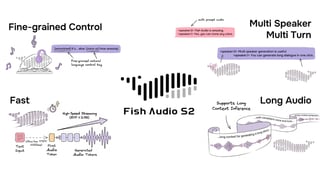
Fish Audioは、制御可能性に重点を置いて音声クローニングにアプローチしています。文脈に関わらず常に同じように聞こえる静的な音声を生成するのではなく、Fish Audio S1モデルは「(excited)(興奮した)」、「(nervous)(緊張した)」、「(whisper)(ささやき)」といった感情タグを受け付け、特定の箇所の話し方を調整できます。実際、これにより一つのクローン音声で、ある段落はプロフェッショナルに、次の段落は温かみのあるトーンで、別テイクを生成することなく使い分けることができます。
音声クローニングのプロセスに必要な参照オーディオはわずか10秒以上(多くの競合他社が60秒以上を必要とするのと比較して)であり、試行錯誤のハードルが大幅に下がっています。現在、8か国語をサポートしており、自然なクロスランゲージ・パフォーマンスを実現しています。つまり、英語のサンプルからクローンした音声で、他のツールによく見られる不自然なアクセントを残さずに中国語や日本語を話させることが可能です。
おすすめの人:
● トーンの変化が重要な長尺動画を制作するコンテンツクリエイター。
● 複数の感情表現にわたって一貫したブランドボイスを必要とするマーケティングチーム。
● 言語を超えて単一のアイデンティティを維持したい多言語クリエイター。
向かない人:
● 感情の変化を必要とせず、基本的なナレーションのみを必要とするユーザー。
● 英語のみのコンテンツを制作しており、純粋な忠実度において絶対的な最高値を求めるクリエイター(この限定的なケースではElevenLabsがわずかに勝る場合があります)。
実際の価格:
Fish Audioは機能的な無料プランを提供しており、契約前に音声品質を簡単にテストできます。有料プランは、定期的な制作利用で月額約15ドルから始まります。従量課金モデルを採用しているため、毎月期限切れになるクレジットシステムに縛られることもありません。
実際の使用感:
英語の専門用語と中国語のナレーションが混在する複数の多言語プロジェクトでFish Audioを使用しました。発音の処理は一貫して強力で、製品名や技術用語も発音の書き換えなしで正しくレンダリングされました。感情タグシステムは習得に少し試行錯誤が必要でしたが(どのタグを使うかだけでなく、どこに配置するかが重要)、リズムを掴めば出力品質は目に見えて向上しました。
- Fish Audio (fish.audio) にアクセス
- TTS生成ページに移動
- 「(excited)」のような感情タグを使用したテキスト入力画面のスクリーンショットを撮る。注釈要件:感情タグの構文を強調する。推奨サイズ:1200x700。ファイル名:fish-audio-emotion-tags-screenshot.png
2. ElevenLabs — 英語の音声品質に最適
2位の理由: ElevenLabsは、業界で最もリアルな英語音声を一貫して生成しています。第三者による評価やコミュニティの総意として、純粋な英語の忠実度に関しては、ElevenLabsが依然としてベンチマークです。
他との違い:
ElevenLabsは何よりも音声のリアリズムを優先しています。そのモデルは、生成された音声が(少なくとも英語では)録音されたオーディオとほとんど区別がつかないほど、微妙な抑揚、微細な間、そして感情的なニュアンスを捉えます。また、膨大なプリセット音声ライブラリと、カスタム音声モデルを共有する活発なコミュニティも提供しています。
音声クローニングには約60秒のクリアなオーディオが必要です。作成されたクローンは英語のアクセントをうまく処理し、多くの競合が見逃しがちな話者の特徴を捉えます。開発者向けには、APIのドキュメントが充実しており、広く統合されています。
注意すべき点:
2つの要因に注意が必要です。第一に、ElevenLabsは2025年初頭に利用規約を更新し、音声データに対して「永久的、取消不能、ロイヤリティフリー」の権利を主張するようになりました。一部のユーザー、特に自身の声やライセンスされた音声をクローンするユーザーにとって、これは評価に値する長期的な所有権の懸念を生じさせました。
第二に、多言語のパフォーマンスは英語の品質に劣ります。英語以外の言語では、発音や強調の問題が頻繁に報告されています。ワークフローで本物の多言語出力を必要とする場合、この制限は重要です。
おすすめの人:
● 音声品質を何よりも優先し、英語のみのコンテンツを制作するクリエイター。
● 信頼性が高くドキュメント化されたAPIを必要とする、英語版音声製品を構築する開発者。
向かない人:
● 多言語クリエイター。
● 音声データの長期的な所有権を懸念するユーザー。
● 予算が限られているプロジェクト(音声クローニングには月額22ドルのプランが必要です)。
実際の価格:
無料プランでは月間10,000文字を利用できますが、音声クローニングは含まれません。クローニングへのアクセスはCreatorプラン(月額22ドル)からで、これには100分の生成が含まれます。クレジットは繰り越されないため、未使用の枠は各請求サイクルで消滅します。
3. Descript Overdub — ポッドキャストや動画編集に最適
3位の理由: Descriptは、音声クローニングを制作ツールではなく、編集ツールとして再定義しています。主に録音済みのミスを修正したり、既存の録音に文章を追加したりする場合、Overdubはテキストベースの編集ワークフローに直接統合されます。
他との違い:
Descriptのアプローチはユニークです。テキストを編集することでオーディオを編集します。録音をアップロードするとDescriptが文字起こしを行います。文字起こしから単語を削除すると、それに対応するオーディオも削除されます。文章を追加したい場合は、それを入力するだけで、Overdubがあなたの声でオーディオを生成します。
これにより、Descriptはポストプロダクションにおいて非常に価値のあるツールとなります。一箇所の言い間違いのためにセグメント全体を録り直すのではなく、修正内容を入力すれば、Overdubがシームレスに合成してくれます。音声クローンは10分以上の自身の音声で学習され、新しいフレーズを自然に処理するのに十分なバリエーションを捉えます。
おすすめの人:
● 録り直しをせずに言い間違いを修正したいポッドキャスター。
● 初回制作後にナレーションや修正を追加する動画クリエイター。
● テキストベースの編集ワークフローを好むチーム。
向かない人:
● エピソード全体や長尺コンテンツを一から生成するクリエイター。
● すでにDescriptを使用していないユーザー(クローニング機能はプラットフォーム全体の機能の一部です)。
実際の価格:
Descriptの無料プランには5分のOverdubが含まれています。Creatorプラン(月額15ドル)では、使用枠が大幅に拡大されます。音声クローニングは編集スイートにバンドルされているため、機能ごとに個別に支払う必要はありません。
4. Resemble AI — 開発者とエンタープライズのセキュリティに最適
4位の理由: Resemble AIは、きめ細かなコントロール、APIの柔軟性、そしてニューラルウォーターマーキングを含む高度なセキュリティ機能を必要とする開発者やエンタープライズチームをターゲットにしています。
他との違い:
Resembleは2つのクローニングパスを提供しています。Rapid cloning(ラピッドクローニング)は10〜15秒のオーディオから実用的な音声を生成し、初期段階のプロトタイピングに理想的です。Professional cloning(プロフェッショナルクローニング)は、より大きなデータセットを使用して、商業利用に適した忠実度の高い音声をキャプチャします。
このプラットフォームの決定的な強みはコントロールです。Resembleは、発音、強調、ペースを制御するためのSSMLライクなタグをサポートしており、生成された音声の精密なチューニングが可能です。また、ディープフェイク検出やオーディオウォーターマーキングなど、合成音声の悪用を懸念する企業にとって重要な機能も備えています。
おすすめの人:
● 製品に音声機能を組み込む開発チーム。
● 監査証跡、ウォーターマーキング、またはオンプレミス展開を必要とする企業。
● そのまま使えるシンプルさよりも、APIの柔軟性や粒度の高いコントロールが重要なプロジェクト。
向かない人:
● 素早い結果を求める個人のクリエイター。
● エンタープライズレベルのセキュリティ機能を必要としないプロジェクト。
● 予算の限られたユーザー(Resembleは企業向け価格をターゲットにしています)。
5. Murf AI — チームコラボレーションに最適
5位の理由: Murfはチームワークフローを優先しており、共有音声ライブラリ、コラボレーション機能、そしてPowerPointやCanvaといったプレゼンテーションツールとの統合を提供しています。
他との違い:
ほとんどのプラットフォームが個人のクリエイターに焦点を当てているのに対し、Murfは特にチーム向けに構築されています。共有ワークスペースにより、複数のユーザーが同じ音声ライブラリにアクセスできます。インターフェースは意図的にシンプルに作られており、非技術系のチームメンバーの学習時間を短縮します。
音声クローニングには10〜15分の学習オーディオが必要です。作成された音声はMurfの200以上の既存音声ライブラリと統合されるため、チームは同じプロジェクト内でカスタム音声とプリセット音声を混ぜて使用できます。
おすすめの人:
● トレーニング動画、プレゼンテーション、または社内コミュニケーションを制作する企業チーム。
● 複数のチームメンバーが共有音声資産にアクセスする必要がある組織。
● Murfの統合機能によって時間を節約できる、プレゼンテーションツール(PowerPoint、Googleスライド、Canva)を使用するプロジェクト。
向かない人:
● コラボレーション機能を必要としないソロクリエイター。
● 最高の音声忠実度を必要とするプロジェクト(Murfは最先端のリアリズムよりも、アクセシビリティと使いやすさを優先しています)。
実際の価格:
無料プランでは、限定された音声で10分の生成が可能です。Creatorプラン(月額19ドル)ではアクセスが大幅に拡大されます。音声クローニングには通常、Businessプラン(月額66ドル以上)が必要です。
6. Play.ht — 多言語スケールに最適
6位の理由: Play.htはこのリストの中で最も多い、合計140以上の言語をカバーしており、グローバルなコンテンツ運用に適しています。
他との違い:
Play.htの最大の強みはその幅広さです。このプラットフォームは140以上の言語、800以上の音声スタイルでの音声生成をサポートしています。音声クローニングにはわずか30秒の参照オーディオが必要で、作成されたクローンはターゲットとなる複数の言語で音声を生成できます。
また、感情表現のコントロールも提供しており、ユースケースに応じて、ささやき、フレンドリー、怒り、興奮などのトーンで話させることができます。
おすすめの人:
● 多くの言語でコンテンツを同時に制作する組織。
● グローバルな視聴者向けにキャンペーンをローカライズするマーケティングチーム。
● 単一言語での最高品質よりも、言語のカバー範囲が重要なプロジェクト。
向かない人:
● 特定の一つの言語で最高の品質を必要とするユーザー(特化したプラットフォームの方が汎用ツールを上回ることが多いため)。
● 予算が非常に厳しい人(開始価格は競争力がありますが、使用量が増えるとコストが急速に上昇します)。
実際の価格:
基本アクセスは月額14.25ドルから。上位プランでは、より多くの文字数と追加機能が提供されます。ヘビーな制作利用では、クレジットベースのシステムが高くつく可能性があるという報告もあります。
7. WellSaid Labs — エンタープライズの一貫性に最適
7位の理由: WellSaid Labsは、大規模で信頼性が高く一貫した音声出力を必要とする企業、特にトレーニング動画、製品ドキュメント、社内コミュニケーションをターゲットにしています。
他との違い:
WellSaidは、最先端の表現力よりも一貫性を優先しています。音声はプロフェッショナルでニュートラルかつ明瞭であり、派手さよりも「信頼性」が重視される企業環境向けに最適化されています。プラットフォームは、企業の調達チームが通常必要とするコラボレーションツールや使用状況分析も提供しています。
おすすめの人:
● 標準化された音声ブランディング要件を持つ大規模組織。
● トレーニングコンテンツを大規模に制作する企業のL&D(学習・開発)チーム。
● 数ヶ月、あるいは数年にわたるコンテンツで音声の一貫性が重要なプロジェクト。
向かない人:
● 個人のクリエイター。
● 感情の幅やクリエイティブな表現力を必要とするプロジェクト。
● エンタープライズ向けの予算を持たないチーム。
実際の価格:
WellSaidは消費者向けの価格を公開しておらず、企業向けの営業プロセスを通じて提供されます。評価目的で限定的な無料トライアルが利用可能です。
8. Kukarella — オールインワン・ワークフローに最適
8位の理由: Kukarellaは、音声クローニングに文字起こし、AIライティングツール、膨大な既存音声ライブラリをバンドルしており、複数のサブスクリプションよりも一つの統合プラットフォームを好むクリエイターに魅力的です。
他との違い:
Kukarellaの売りは統合です。音声クローニング単体での卓越性ではなく、1,800以上の既存音声、文字起こし、AI執筆支援、そして音声クローニングを一つのワークスペースで提供する完全なコンテンツ制作スイートを提供しています。
注目すべきは、データポリシーへの懸念からElevenLabsとの統合を終了したことで、プライバシーを重視する代替案としての地位を確立している点です。
おすすめの人:
● 特化した機能よりもワークフローの統合を重視するクリエイター。
● 文字起こしやライティングツールとセットで音声クローニングを利用したいユーザー。
● 音声データの所有権やプライバシーを懸念する人。
向かない人:
● 最高品質のクローニングを必要とするユーザー(特化したプラットフォームの方が通常、オールインワンよりも優れています)。
● 追加のコンテンツツールを必要とせず、音声クローニングのみを必要とするプロジェクト。
実際の価格:
月額15ドルのPrimeプランにほとんどの機能が含まれています。音声クローニングは上位プランに限定されることなく、バンドルされています。
選び方:決定の枠組み
すべての人に一つのツールを勧めるのではなく、次のように考えてみてください。
まず、主要なユースケースから選ぶ:
● 既存の録音のミスを修正したい → Descript
● 感情豊かで表現力のあるコンテンツを生成したい → Fish Audio
● 英語の音声品質を最大化したい → ElevenLabs
● 製品に音声機能を組み込みたい → Resemble AI
● チームベースの制作ワークフローが必要 → Murf AI
● グローバルな多言語コンテンツを作りたい → Play.ht
● 企業規模で一貫性を保ちたい → WellSaid Labs
● すべてを一つのワークフローで完結させたい → Kukarella
制約を考慮する:
● 予算が限られている? Fish AudioやKukarellaは、機能的な無料または低コストのプランを提供しています。
● プライバシーが気になる? 音声データの永久的な権利を主張するプラットフォームは避けましょう。
● 多言語が必要? Fish Audioは言語をまたいだ対応に優れていますが、ElevenLabsは苦戦することがあります。
● 開発者中心? Resemble AIが最も粒度の高いAPIコントロールを提供します。
コミットする前にテストする
ほとんどのプラットフォームは無料プランやトライアルを提供しています。現実的なアプローチとしては、実際のスクリプトから60秒の文章を抜き出し、自分に合いそうな2〜3のプラットフォームで生成して出力を比較することです。音声の質は主観的なものなので、どのレビューよりも自分の耳が重要です。
結論
2026年の音声クローニング界隈には、さまざまなユースケースに対応する真に強力な選択肢が揃っています。Fish Audioは、感情コントロールと多言語の柔軟性を重視するクリエイターにとって際立った存在です。その感情タグシステムと言語をまたぐパフォーマンスは、他の多くのプラットフォームが残しているギャップを埋めてくれます。ElevenLabsは、データポリシーに関する継続的な懸念はあるものの、純粋な英語の音声品質においては依然としてベンチマークです。Descriptは、ポストプロダクションの編集という特定の問題を、他のどの代替手段よりもうまく解決します。
実践的なアプローチ:まず自分の主なユースケースを特定し、それに適した2〜3のプラットフォームをテストして、納得のいく結果が得られるものに決めましょう。最終的には、機能リストよりも音声の質が重要であり、あなた自身の耳が最高の審判となります。

Kyle is a Founding Engineer at Fish Audio and UC Berkeley Computer Scientist and Physicist. He builds scalable voice systems and grew Fish into the #1 global AI text-to-speech platform. Outside of startups, he has climbed 1345 trees so far around the Bay Area. Find his irresistibly clouty thoughts on X at @kile_sway.
Kyle Cuiの他の記事を読む