¿Qué herramienta de locución con IA es mejor para contenido de YouTube o podcasts?

Cada herramienta de voz de IA suena genial en una demo de 30 segundos. Luego, pegas un guion real de 2,000 palabras y las grietas aparecen rápidamente: el tono se aplana para el tercer párrafo, los términos técnicos se destrozan y la voz que sonaba humana en la página de inicio comienza a leer tu video como si fuera un contrato de condiciones de servicio.
Para los YouTubers y podcasters que producen episodios de 10 a 30 minutos, esa brecha entre la calidad de la demostración y la calidad de producción es el verdadero problema. Las herramientas que aguantan más allá de la marca de los dos minutos no siempre son las que tienen los nombres más conocidos o los precios más altos.
Una muestra de 30 segundos no te dirá si una voz sobrevive a un video de 10 minutos
El mayor error que cometen los creadores al elegir una herramienta de voz con IA es juzgarla por el clip de muestra de la página de inicio. Ese clip está optimizado para una sola cosa: sonar impresionante de forma aislada. No revela casi nada sobre lo que sucede cuando pegas un guion real de 1,500 palabras lleno de términos técnicos, cambios de tono y oraciones de formato largo.
Normalmente, solo aparecen tres problemas en el contenido de duración de producción: deriva tonal (la voz suena diferente en el minuto ocho que en el minuto uno), ritmo robótico en oraciones complejas y pausas incómodas donde un humano naturalmente uniría las cláusulas. Si estás produciendo videos de YouTube de 10 minutos o episodios de podcast de 30 minutos, estos no son inconvenientes menores. Son la razón por la que los espectadores abandonan el video.
Aquí tienes una prueba de esfuerzo rápida que puedes realizar en cualquier herramienta antes de comprometerte:
| Prueba | Lo que revela | Por qué es importante |
|---|---|---|
| Lectura continua de más de 5 minutos | Consistencia tonal a lo largo del tiempo | Los videos de YouTube y los episodios de podcast no duran 30 segundos |
| Términos en varios idiomas | Manejo de la pronunciación | Nombres de productos, frases extranjeras, jerga técnica |
| Cambio emocional a mitad del guion | Expresión adaptativa | La narrativa necesita rango, no monotonía |
| Regeneración del mismo texto | Consistencia en el resultado | Necesitas calidad predecible en todos los lotes |
Si una herramienta falla en cualquiera de estas, pasarás más tiempo solucionando problemas del que ahorrarás evitando el micrófono.
7 herramientas de locución con IA, clasificadas según lo que sucede después de la demostración
Aquí tienes una descripción general basada en pruebas de guiones de producción completos, no en muestras de marketing seleccionadas.
| Rango | Herramienta | Ideal para | Precio inicial | Idiomas | Biblioteca de voces |
|---|---|---|---|---|---|
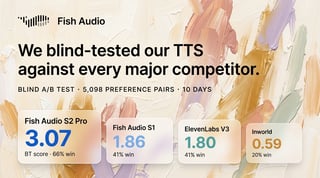
| 1 | Fish Audio | YouTube, podcasts, contenido multilingüe | Gratis (Plus $11/mes) | 70+ | 2,000,000+ |
| 2 | ElevenLabs | Narración de alta fidelidad | Gratis (Starter $5/mes) | 32 | 1,000+ |
| 3 | Murf.ai | Video corporativo, e-learning | $19/mes | 30+ | 200+ |
| 4 | Podcastle | Flujos de trabajo centrados en el podcast | Nivel gratuito disponible | 30+ | 50+ |
| 5 | Listnr | Conversión de blog a audio | $16/mes | 75+ | 600+ |
| 6 | CapCut | YouTube Shorts, formato corto | Gratis (integrado) | 20+ | 100+ |
| 7 | Speechify | Lectura/consumo | Gratis (Premium $12/mes) | 60+ | 200+ |
#1: Fish Audio. La herramienta de 99.
Fish Audio no es el nombre con mayor inversión en marketing en el espacio de voz de IA, lo cual es en parte la razón por la que merece atención. Mientras que las plataformas más grandes invierten en el reconocimiento de marca, Fish Audio se ha centrado en desarrollar un motor de TTS técnicamente capaz.
Esto es lo que destaca en el uso de producción real:
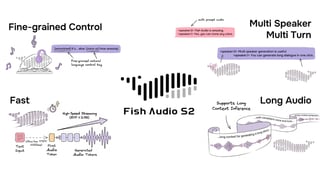
- Control de emociones a mitad del guion. En lugar de seleccionar voces preestablecidas como "feliz" o "triste", insertas instrucciones de lenguaje natural como "(reflexivo)" o "(emocionado)" directamente en tu texto. La voz se adapta a mitad de la lectura; no se requiere cambiar de modelo. La mayoría de las herramientas cobran $99 al mes por algo similar, y aún así no pueden hacerlo en una sola toma. →[ Prueba el Texto a Voz
](https://fish.audio/text-to-speech)
-
Clonación de voz en 15 segundos. La clonación de Fish Audio solo necesita una pequeña muestra de audio para crear una réplica utilizable. Los podcasters que quieran mantener su voz personal en todos los episodios sin grabar cada palabra pueden clonarla una vez y generar el contenido a partir de guiones. El resultado mantiene la cadencia y el tono reconocibles en lugar de sonar genéricamente sintético.
-
Más de 70 idiomas con manejo multilingüe. Mezclar guiones en inglés con nombres de productos en chino o frases en español mantiene la precisión de la pronunciación sin trucos fonéticos, un área en la que muchos competidores todavía tienen dificultades.
-
Producción de formato largo a través de Story Studio. Diseñado para flujos de trabajo de audiolibros y podcasts. Maneja guiones extensos sin una deriva tonal severa y admite exportaciones que cumplen con los requisitos técnicos de ACX/Audible.
-
API lista para desarrolladores. API con latencia de milisegundos, transmisión en tiempo real y un modelo de código abierto (Fish Speech, Apache 2.0) para equipos que requieren opciones personalizadas.
La estructura de precios también es competitiva. El nivel gratuito permite realizar pruebas significativas. El plan Plus de 5 al mes, muchos creadores activos superan los límites de caracteres y pasan a planes de mayor precio con relativa rapidez.
#2 al #5: Qué hace bien cada herramienta (y en qué se queda corta)
ElevenLabs es el nombre más reconocido en la generación de voz con IA, y su calidad de audio en contenido de formato corto es realmente impresionante.
- Fortalezas: La precisión de la clonación de voz es una de las más altas de la industria. Su biblioteca de voces prioriza el realismo sobre la cantidad pura.
- Punto de fricción: El precio a escala. El plan Starter (22/mes) aumenta los límites a unos 100,000 caracteres, lo que equivale a unos 15 o 20 minutos de audio finalizado. Para un creador que publica tres videos por semana, ese techo llega rápido.
- Brecha clave: 32 idiomas compatibles frente a los más de 70 de Fish Audio. Los creadores que apuntan a audiencias globales pueden encontrar limitaciones antes.
Murf.ai ocupa un nicho diferente. Está diseñado principalmente para contenido corporativo y de e-learning.
- Fortalezas: Estudio integrado que sincroniza las locuciones con las líneas de tiempo de los videos. Integraciones con Google Slides y Canva. Un tono pulido y profesional.
- Punto de fricción: Las opciones de voz carecen de la calidez conversacional que mantiene el interés en más de 10 minutos de contenido de YouTube o podcast. Es más adecuado para videos de capacitación y explicaciones de productos que para contenido de creadores.
Podcastle vale la pena si tu flujo de trabajo se centra primero en el podcast.
- Fortalezas: Combina grabación, edición y generación de voz con IA en una sola interfaz. Ahorra tiempo si de otro modo tendrías que saltar entre tres o cuatro aplicaciones.
- Punto de fricción: Las voces de TTS no son tan expresivas como las de las plataformas dedicadas a la generación de voz. Sacrificas algo de realismo vocal por simplicidad en el flujo de trabajo.
Listnr se dirige bien a un caso de uso específico: convertir publicaciones de blog escritas en contenido de audio.
- Fortalezas: Soporte para más de 75 idiomas, alojamiento de podcasts integrado y flujo de trabajo optimizado de blog a audio.
- Punto de fricción: Menos adecuado para narraciones de video originales que requieren un control emocional y tonal preciso.
El costo oculto que la mayoría de los creadores ignora: las licencias comerciales
No todos los planes gratuitos permiten la monetización. Esto atrapa a más creadores de lo esperado.
La mayoría de las herramientas de voz con IA restringen el uso comercial a los niveles de pago. Si publicas anuncios en YouTube, aceptas patrocinios o vendes cursos utilizando contenido narrado por IA, necesitas derechos comerciales explícitos. Usar audio del nivel gratuito en contenido monetizado puede exponerte a solicitudes de eliminación o tarifas adicionales.
El enfoque de Fish Audio es transparente: el nivel gratuito es solo para uso personal. El plan Plus de $11 al mes incluye derechos comerciales completos desde el primer día. Así es como varias herramientas estructuran el acceso comercial:
| Herramienta | Los derechos comerciales comienzan en | Lo que obtienes |
|---|---|---|
| Fish Audio | $11/mes (Plus) | Derechos comerciales completos, 70+ idiomas |
| ElevenLabs | $5/mes (Starter) | Derechos comerciales, pero límite de ~30 min de audio |
| Murf.ai | $19/mes | Derechos comerciales, herramientas de estudio incluidas |
| Listnr | $16/mes (Individual) | Derechos comerciales, alojamiento de podcasts |
La conclusión práctica: planea contratar un nivel de pago si produces contenido que genera ingresos. La diferencia de costo entre lo gratuito y lo comercial suele ser de 20 al mes, lo cual es insignificante comparado con el riesgo legal y operativo de usar audio sin licencia.
Lo que tus oídos captan y las hojas de especificaciones pasan por alto
Las hojas de especificaciones enumeran la cantidad de idiomas, los límites de caracteres y la latencia de la API. No te dicen si una voz suena como una persona o como una máquina convincente.
Tres cosas separan lo bueno de lo real:
Respiración y micropausas. El habla humana incluye vacilaciones sutiles y respiraciones entre las cláusulas. Los mejores motores de IA modelan esto. Las etiquetas de emoción de Fish Audio te permiten influir en dónde ocurren. La mayoría de las herramientas de la competencia las generan algorítmicamente con menos control.
Prosodia en oraciones complejas. Lee esto en voz alta: "La herramienta funciona bien, pero solo si configuras los ajustes correctamente, lo cual, para ser sinceros, no es obvio". Una voz de IA potente maneja las cláusulas anidadas y los cambios de énfasis de forma natural. Una débil aplana todo con la misma cadencia. Prueba cualquier herramienta con oraciones como esta antes de comprometerte.
Consistencia en formatos largos. Genera una lectura de 10 minutos y escucha los últimos dos minutos. Si el tono cambia notablemente, el modelo puede estar derivando. Para la producción de YouTube y podcasts, esta es una de las pruebas más importantes, y una que las demostraciones rara vez revelan.
Adaptar la herramienta adecuada a tu flujo de trabajo
La "mejor" herramienta depende totalmente de lo que produzcas.
Producción de YouTube de alto volumen (más de 2 videos por semana). La combinación de Fish Audio de más de 2,000,000 de voces comunitarias, control de emociones y precios comerciales de $11 al mes mantiene bajos los costos por video mientras mantiene la calidad en una producción de alto volumen.
Podcast narrativo con una voz de anfitrión consistente. Clona tu voz con Fish Audio (muestra de 15 segundos) o ElevenLabs (mayor precisión, mayor costo) y genera episodios a partir de guiones. Story Studio en Fish Audio está diseñado específicamente para este flujo de trabajo.
Contenido multilingüe para audiencias globales. Los más de 70 idiomas de Fish Audio con alternancia de idiomas natural son la opción más sólida aquí. ElevenLabs cubre bien 32 idiomas. Si necesitas más que eso, tus opciones se reducen rápidamente.
Capacitación corporativa o narración de e-learning. El flujo de trabajo del estudio de Murf.ai y su integración con Google Slides y Canva lo convierten en la mejor opción para este caso de uso específico.
Conversión de blog a audio. El canal de blog a audio de Listnr y el alojamiento de podcasts integrado manejan este nicho de manera eficiente.
Conclusión
El mercado de locuciones con IA tiene más opciones de las que la mayoría de los creadores necesitan. La brecha entre las mejores herramientas se ha reducido lo suficiente como para que un plan de 99 al mes. La clave es adaptar la herramienta a tus necesidades de producción específicas en lugar de buscar la marca más famosa.
Para la mayoría de los creadores de YouTube y podcasters, Fish Audio alcanza el punto óptimo práctico: voces expresivas que se mantienen en lecturas largas, soporte multilingüe que realmente funciona, licencias comerciales a un precio accesible y una API que escala si tu flujo de trabajo crece. Comienza con el nivel gratuito para probar la calidad con tus propios guiones y luego cámbiate a Plus cuando estés listo para publicar.
El cuello de botella de la locución que antes ralentizaba la producción de contenido ya no tiene por qué existir. Las herramientas están ahí. La pregunta es simplemente cuál se adapta a tu forma real de trabajar.

Kyle is a Founding Engineer at Fish Audio and UC Berkeley Computer Scientist and Physicist. He builds scalable voice systems and grew Fish into the #1 global AI text-to-speech platform. Outside of startups, he has climbed 1345 trees so far around the Bay Area. Find his irresistibly clouty thoughts on X at @kile_sway.
Leer más de Kyle Cui