2026年におけるチャットボットとボイスアシスタントに最適なテキスト読み上げ(TTS)API

デモ版のボイスアシスタントは自然に聞こえます。新しいTTS APIを評価する際、毎回同じ10個のテストフレーズを実行し、レスポンスは明瞭で、音声は人間に近く感じられます。しかし、実際にユーザーの前に出すと、3回目のやり取りで何かがおかしくなります。各応答の前のポーズが900msまで伸びます。単独では表情豊かに聞こえた声が、5回連続の回答では平坦に聞こえるようになります。ユーザーは音声と対話するのではなく、それを我慢して聞いている状態になります。
チャットボットやボイスアシスタントのTTS評価が系統的に楽観的になりがちなのは、これらの製品を破綻させる条件(実際のネットワーク負荷の下での持続的なマルチターン対話)が、単一リクエストの品質テストよりもシミュレーションが難しいためです。
シングルターンのデモでは測定できないこと
TTS APIが対話型AIに適しているかどうかを決定する要素は3つありますが、そのどれもが10秒のクリップでは十分に表現されません。
負荷時のターンテーキング・レイテンシ。 ユーザーの入力から音声応答までのポーズが400ms以下であれば、ボイスアシスタントは反応が良いと感じられます。ほとんどのTTS APIは、負荷の低いテスト環境ではこれを実現します。問題は、200人のユーザーが同時にアクティブな会話を行っているときに何が起こるかです。同時実行時のレイテンシの急増は、本番環境のボイスアシスタント運用における主要な不満点です。
会話の応答に対する人間の知覚の閾値は約400〜500msです。それを超えると、ユーザーは沈黙を言葉で埋めようとし始め、クロストークが発生します。これはUXの好みではなく、生理学的な限界です。ある中堅プラットフォームで50の同時会話をシミュレートした負荷テストを行った際、TTFB(最初のバイトが届くまでの時間)は180msから2.8秒に跳ね上がりました。ボイスアシスタントは警告なしに、反応が良い状態から使い物にならない状態へと変化しました。ベンダーのドキュメントには、同時負荷の下でレイテンシのプロファイルがこれほど劇的に変化することは一切記載されていませんでした。
マルチターンの音声の一貫性。 一部のTTSモデルは、繰り返しの呼び出しに対して同じテキストでもわずかに異なる韻律(プロソディ)を生成します。シングルターンのやり取りでは誰も気づきません。しかし、10ターンの会話になると、音声には微妙な不整合が蓄積され、一貫したキャラクターというよりも、システムが応答を生成しているように聞こえるようになります。
これらの評価で見落とされがちなのは、APIのパフォーマンスがより深いシステム設計の決定に依存しているという点です。音声モデリングのアプローチ、ストリーミング・アーキテクチャ、および同時実行の処理はすべて、実際の会話におけるTTSシステムの動作を形作ります。これらは通常、AI TTSアプリ開発レイヤーで対処され、最終的にAPIが持続的な会話負荷の下で安定し、一貫性を保ち、応答性を維持できるかどうかが決まります。
この問題は、本番チームの間では「ペルソナ崩壊」と呼ばれています。あるカスタマーサービス・チャットボットのテストで人気のTTS APIを使用した際に、これに遭遇しました。6回目の会話ターンまでに、もともと温かみのあったカスタマーサービスの声は、まるで目が覚めたばかりのニュースキャスターのような声に変わってしまいました。温かみは消え、テンポも狂いました。テストでは意図的に感じられた声が、実際の使用では無作為なものに感じられました。最終的に、Fish Audioで特定のパラメータを調整することでマルチターンのドリフト問題を解決しましたが、これに時間を費やす必要があるという事実は、どのドキュメントにも載っていませんでした。
応答タイプに応じた感情の幅。 対話型AIは、挨拶、説明、訂正、謝罪などを処理します。TTSの音声は、単に中立的な文章を読み上げるだけでなく、これらすべてにおいて適切にトーンを調節する必要があります。
対話型AIのためのTTS API比較
| プラットフォーム | TTFB | ストリーミング | マルチターンの一貫性 | 音声クローニング | 言語 | 同時セッション |
|---|---|---|---|---|---|---|
| Fish Audio | ミリ秒レベル | はい | 高い | はい(15秒のサンプル) | 30+ | 高い |
| ElevenLabs | 競争力あり | はい | 高い | はい | 30+ | 中程度 |
| Azure TTS | 中程度 | エンタープライズ階層 | 高い | 限定的 | 100+ | エンタープライズ |
| Google TTS | 中程度 | 限定的 | 高い | いいえ | 40+ | 高い |
| Amazon Polly | 中程度 | はい | 高い | いいえ | 20+ | 高い |
Fish Audio: マルチターン会話のためのレイテンシと一貫性
ボイスアシスタントの品質を最も直接的に決定する2つの要件は、TTFBとストリーミング・サポートです。Fish Audioのミリ秒レベルのTTFBと、ストリーミング配信の組み合わせにより、通常の接続環境でユーザーは150〜200ms以内に音声を聞き始めることができます。これは、ターンテーキングが遅延ではなく自然に感じられる閾値内です。
ストリーミングは、コンテンツ向けTTSよりも対話型AIにおいて異なる重要性を持ちます。ボイスアシスタントにとって、応答の最初の数語は最大の意味的重みを持ちます。「はい、お手伝いできます」対「申し訳ありませんが、それはできかねます」。ストリーミングを使用すれば、これらの最初の言葉は200ms未満で届きます。ユーザーは、全文が生成される前に応答の方向性を理解できます。これは、オーディオ全体が準備できるまで800ms待ってから再生されるのとは、質的に異なります。
これを機能させるアーキテクチャは、LLMの出力ストリームをTTSの入力ストリームに直接接続することです。言語モデルが応答を完全に終えるのを待つのではなく、生成されるそばからテキストのチャンクをFish Audioに送ります。LLMのストリーミング・パイプラインとTTSのストリーミング・パイプラインが並行して実行され、総レイテンシはどちらか遅い方のステージのレイテンシとほぼ同じになり、両方の合計にはなりません。これが、実際の対話型デプロイメントでエンドツーエンドのレイテンシを500ms未満に抑える方法です。
開発者向けノート: 長いLLMのレスポンスを単一のTTS呼び出しとして送信しないでください。自然な文の境界で区切り、短いTTS呼び出しとして順番にストリーミングしてください。これにより、音声をより早く再生開始でき、ユーザーが会話に割り込むための自然な休止ポイントを作ることができます。これが実際の会話のあり方です。
高い同時実行性のサポートにより、開発中に観察したレイテンシ・プロファイルが、ユーザーが実際に体験するものとなります。Fish Audioで500ms未満のエンドツーエンド・レイテンシを実現した対話型チャットボットの文書化されたケースは、最適化されたベンチマーク環境ではなく、現実世界の状況を反映しています。
音声クローニングは、ブランド化されたアシスタントや製品ペルソナにとって特に重要な次元を加えます。汎用的な音声カタログから選択する代わりに、製品のアイデンティティと一致する特定の音声キャラクターを作成できます。15秒のサンプル要件により、プロのレコーディング・セッションを必要とせずに実用的に実現できます。クローンされた音声はサポートされている30以上のすべての言語で機能するため、単一のキャラクター音声を再録音なしで国際的な展開にスケールさせることができます。
Fish Audioの音声カタログは膨大で、200万以上のコミュニティボイスがあり、クローニングを望まない場合でも即座に選択肢を提供します。ただし、カタログが特定のボーカルプロファイルに偏っている点には注意が必要です。非常に特定の地域のアクセントや、極めて特徴的なキャラクターボイスが必要な場合は、カタログで見つけるよりもクローニングする必要があるかもしれず、セットアップ・プロセスに工程が1つ増えます。これは致命的な問題ではありませんが、開始前に持っておくべき現実的な期待値です。
APIドキュメントは docs.fish.audio にあります。
ElevenLabs: 英語ボイスアシスタントにおける品質の優位性
正直なところ、英語で没入感のあるコンパニオンAIを構築しており、音声そのものが製品である場合、ElevenLabsの感情表現の幅はいまだにベンチマークです。ElevenLabsと他のほとんどのプラットフォームとの間にある、英語におけるためらい、強調、感情的な含みの処理の差は、はっきりと聞き取れるレベルです。それはわずかな差ではありません。音声キャラクターがユーザー体験の中核をなす製品(コンパニオンアプリ、ストーリーテリング・アシスタント、セラピーに近いツールなど)にとって、ElevenLabsの英語出力品質はトレードオフを正当化します。
それらのトレードオフは現実的です。階層型料金モデルは、繁忙期に高いプランへの移行を強いることになり、利用が急増する製品では請求額が予測不能になります。ストリーミングは標準的な条件下ではうまく機能しますが、大規模な同時実行においてはFish Audioが構造的な優位性を持っています。会話のボリュームが予測可能で、英語のみを扱うボイスアシスタントであれば、純粋な出力品質においてElevenLabsが最強の選択肢です。多言語対応や高い同時実行性が必要な場合、その計算は変わります。
Azure TTS: エンタープライズの展開パス
Azure Neural TTSの品質は、対話型アプリケーションでも競争力のあるレベルに達しています。信頼性とエンタープライズSLAにより、すでにAzureインフラストラクチャ上で稼働している組織にとってはデフォルトの選択肢となります。
ストリーミングは利用可能ですが、通常はエンタープライズ階層のアクセスが必要です。音声クローニングの設定は複雑で、コンテンツクリエイターや小規模な開発チームが必要とするような迅速な音声作成には向いていません。ユースケースがエンタープライズIVRシステムや、安定した定義済みの音声要件を持つ大規模なカスタマーサービスボットであれば、Azureはうまく機能します。より実験的な対話型AI開発の場合、設定のオーバーヘッドが反復スピードを低下させます。
会話の質を向上させる音声設計パターン
プラットフォームの選択は一つの手段です。音声インタラクションをどのように構成するかも同様に重要です。
最初のレスポンスからストリーミングを使用する。 オーディオ全体が利用可能になるまで待たないでください。最初のチャンクの再生を開始し、残りをバッファリングします。会話らしさは、オーディオ全体の速さではなく、最初の音声の速さから生まれます。
ユースケースのレジスターに合わせて音声を選択する。 コンパニオンAIの声とカスタマーサービスボットの声は、異なって聞こえるべきです。感情のプロファイルが重要です。コンパニオンアプリには温かみのある声を、情報提供にはより落ち着いた声を、コンシューマーアプリにはより明るい声を選びます。
個々の応答を短く保つ。 音声ユニットあたりのTTS品質は、短く完結したフレーズで最高になります。長い応答は、韻律の不整合が生じる機会を増やします。LLMが4文の回答を生成する場合、それを4つの別々のTTS呼び出しとしてストリーミングし(順番に再生する)、1つの4文入力呼び出しよりも優れた音声品質が得られるかどうかを検討してください。
静的な応答を事前生成する。 挨拶、相づち、つなぎの言葉(「お調べいたします」など)は、毎回同じように生成されます。これらを一度事前生成してキャッシュから提供すれば、最も頻繁に使用される発話におけるAPIレイテンシを完全に排除できます。
開発者向けノート: ボイスアシスタントには割り込み処理が必要です。TTSの再生中にユーザーが話し始めたら、音声はきれいに停止しなければなりません。これを本番テストの前ではなく、前に実装してください。割り込みのUXは、ボイスアシスタントを不自然に感じさせる最大の要因です。
チャットボットの種類に応じたプラットフォームの適合
コンパニオンAIとソーシャルボット: 他のどの変数よりも感情の幅と音声の自然さが重要です。Fish Audio または ElevenLabs。多言語サポートやカスタムキャラクターボイスが必要な場合、Fish Audioの優位性が増します。
カスタマーサービスボット: 多言語サポートと信頼性が最も重要です。Fish Audioは、単一のAPIで30以上の言語を一貫した品質で処理します。ボリュームが急増するカスタマーサービス用途では、高い同時実行性が重要です。
IVRと電話システム: レイテンシの要件は、Web/アプリのボイスアシスタントよりもやや寛容です。発音やテンポを制御するためのSSML制御がより重要になります。Azure または Amazon Polly は、特に電話チャネルに適しています。
情報アシスタント(FAQボット、ナレッジボット): 声は権威があり、明瞭である必要があります。主要なプラットフォームのいずれかによる中立的で落ち着いた声が適しています。この場合、レイテンシとコストが主な差別化要因となります。
よくある質問
会話型ボイスチャットボットが自然に感じられるために必要なTTSレイテンシは? 400ms未満のTTFB(最初の音声までの時間)が、自然な会話のターンテーキングを維持します。200ms未満だと即座に感じられます。600msを超えると、ユーザーはボットが終わる前に話し始めたり、不快な沈黙の中で待つことになります。Fish Audioのミリ秒レベルのTTFBは、レスポンスを自然な範囲に保ちます。
ボイスアシスタント用に独自のブランド音声を作成できますか? はい。Fish Audioの音声クローニングは、15秒の録音からブランド音声を作成し、その音声ですべてのTTS出力を生成します。クローンは30以上の言語で機能するため、単一のブランド音声を国際的な展開にスケールさせることができます。
ストリーミングTTSは対話型AIパイプラインで機能しますか? はい、それが推奨されるアーキテクチャです。Fish Audioからのストリーミングにより、ユーザーは残りの音声が生成されている間に応答の開始を聞くことができます。LLMからのストリーミングテキスト生成と組み合わせることで、ユーザー入力から音声応答までのエンドツーエンドのレイテンシを500ms未満に抑えることができます。
長い会話(10ターン以上)でTTSの品質はどうなりますか? ターン間の一貫性は、会話の長さではなくTTSモデルによって決まります。Fish Audioのモデルは繰り返しの呼び出しでも一貫した韻律を生成するため、一部のプラットフォームで見られるようなマルチターンセッションでの音声のドリフトを防ぎます。
カスタマーサービス・チャットボットに音声クローニングを使用する価値はありますか? 一貫した企業アイデンティティが重要なブランドチャットボットにとっては、はい。ブランドのコミュニケーションスタイルに合わせたクローン音声は、汎用カタログから選択するよりも効果的です。Fish Audioの最小15秒のサンプルは、プロのレコーディング予算なしでこれを実用的にします。
複数のチャットボット会話を同時に処理するのに最適なTTS APIはどれですか? Fish Audioの高い同時実行サポートは、まさにこのために設計されています。レイテンシ・プロファイルは同時負荷の下でも一貫性を保ちます。AzureやGoogleも高い同時実行性をうまく処理しますが、品質と機能のトレードオフが異なります。
結論
対話型AIにおいて、TTS APIの選択は2つの質問に集約されます。ターンテーキングが自然に感じられるほど速くオーディオを配信できるか、そして何百もの会話が同時に行われているときにそのパフォーマンスを維持できるか。
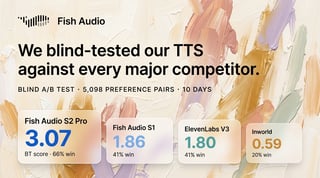
Fish Audioのミリ秒単位のTTFB、ストリーミング・サポート、高い同時実行性、および音声クローニングは、対話型デプロイメントにとって最も完成度の高い選択肢となります。音声そのものが製品の一部である英語優先のユースケースには ElevenLabs。既存のエコシステムによってアーキテクチャが定義されているエンタープライズやインフラ主導のデプロイメントには Azure や Google を検討してください。
導入を決定する前に、同時負荷の下でテストしてください。1人のユーザーで動作するボイスアシスタントが、500人のユーザーでの挙動を予測するわけではありません。APIドキュメントと統合の詳細は docs.fish.audio をご覧ください。
よくある質問
会話型ボイスチャットボットが自然に感じられるために必要なTTSレイテンシは?
ボイスアシスタント用に独自のブランド音声を作成できますか?
ストリーミングTTSは対話型AIパイプラインで機能しますか?
長い会話(10ターン以上)でTTSの品質はどうなりますか?
カスタマーサービス・チャットボットに音声クローニングを使用する価値はありますか?
複数のチャットボット会話を同時に処理するのに最適なTTS APIはどれですか?

Kyle is a Founding Engineer at Fish Audio and UC Berkeley Computer Scientist and Physicist. He builds scalable voice systems and grew Fish into the #1 global AI text-to-speech platform. Outside of startups, he has climbed 1345 trees so far around the Bay Area. Find his irresistibly clouty thoughts on X at @kile_sway.
Kyle Cuiの他の記事を読む