Die besten Text-to-Speech-APIs für Entwickler: Ein technischer Vergleich

Die Integration von Sprache in eine App klingt einfach, bis man drei Sprints tief drin steckt, nachts um 2 Uhr Audio-Artefakte debuggt und feststellt, dass der gewählte „kostenlose Tarif“ auf 500 Anfragen pro Tag begrenzt ist. Laut einer Entwicklerumfrage aus dem Jahr 2024 stufen 64 % der Teams die Kosten als oberste Priorität bei der Wahl einer Sprach-API ein, gefolgt von Leistung mit 58 % und Genauigkeit mit 47 %. Der Unterschied zwischen einer TTS-API, die in einer Demo gut abschneidet, und einer, die in der Produktion zuverlässig bleibt, ist viel größer, als die meisten README-Dateien vermuten lassen.
Dieser Leitfaden erklärt, worauf es bei der Bewertung von Text-to-Speech-APIs für die Integration wirklich ankommt, skizziert die führenden Optionen auf dem Markt und beleuchtet die Kompromisse, die oft erst auftauchen, nachdem Sie Ihre Codebasis an einen bestimmten Anbieter gebunden haben.
Worauf man bei einer TTS-API achten sollte
Bevor man spezifische Anbieter vergleicht, ist es hilfreich zu definieren, was „gut“ für einen Entwickler-Anwendungsfall bedeutet. In Marketinginhalten werden häufig die Anzahl der Stimmen und die Sprachabdeckung hervorgehoben, was jedoch selten Aufschluss darüber gibt, ob eine API im realen Einsatz bestehen kann.
Die folgenden Faktoren unterscheiden in der Regel produktionsreife TTS-APIs von solchen, die nur in Demos gut abschneiden:
| Kriterien | Warum es wichtig ist | Was zu testen ist |
|---|---|---|
| Latenz | Echtzeit-Apps (Voice-Agents, IVR) erfordern Antwortzeiten unter 500 ms | Messen Sie die Time-to-First-Byte bei einer Eingabe von 100 Wörtern |
| Streaming-Unterstützung | Vermeiden Sie das Warten auf die Generierung der gesamten Audiodatei | Überprüfen Sie, ob die API eine Chunked-Audio-Übertragung unterstützt |
| Sprachqualität | Beeinflusst direkt das Vertrauen und die Interaktion der Nutzer | Bewerten Sie Beispiele, die länger als 30 Sekunden sind, nicht nur 5-sekündige Demos |
| Sprachabdeckung | Multilinguale Produkte erfordern eine konsistente Qualität über Sprachen hinweg | Testen Sie nicht-englische Ausgaben mit Muttersprachlern |
| Preismodell | Preise pro Zeichen, pro Anfrage oder pro Minute ändern Ihre Kostenstruktur | Modellieren Sie das erwartete Nutzungsvolumen und multiplizieren Sie es mit drei |
| SDK-Qualität | Schlechte SDKs führen zu mehr Wrapper-Code und langfristigem Wartungsaufwand | Überprüfen Sie Async-Unterstützung, Type-Hints und Fehlerbehandlung |
| Voice Cloning | Wird verwendet, um Markenstimmen oder nutzergenerierte Sprachoptionen anzupassen | Überprüfen Sie die Mindestlänge der Stichprobe, die Audiotreue und die Bearbeitungszeit |
Latenz und Streaming-Unterstützung verdienen besondere Aufmerksamkeit. Wenn Sie einen konversationellen KI-Agenten oder einen Echtzeit-Assistenten entwickeln, wird eine Verzögerung von drei Sekunden bei der Audiogenerierung das Erlebnis erheblich verschlechtern. APIs, die primär für Batch-Narration entwickelt wurden, schneiden in diesen Anwendungsfällen oft unterdurchschnittlich ab.
Top TTS-APIs für Entwickler
Fish Audio API
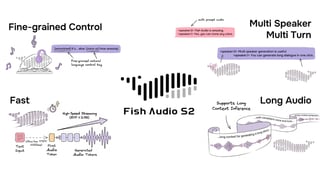
Fish Audio bietet eine entwicklerorientierte TTS-Plattform, die eine RESTful API, ein offizielles Python-SDK mit Async-Unterstützung und Pay-as-you-go-Preise ohne Mindestabonnements umfasst.
In Bezug auf die Integration umfassen die wichtigsten technischen API-Spezifikationen eine Latenz von unter 500 ms mit Echtzeit-Streaming, eine Abdeckung von über 30 Sprachen mit starker sprachübergreifender Leistung (besonders nützlich, wenn Skripte englische mit chinesischen, japanischen oder koreanischen Begriffen mischen) und Zugriff auf eine Community-Sprachbibliothek mit mehr als 2.000.000 Stimmen.
Für Entwickler, die Voice Cloning benötigen, erfordert die Cloning-Funktion von Fish Audio nur eine 15-sekündige Audioprobe, um ein hochgetreues Replikat zu erstellen. Dies ist eine niedrigere Hürde als bei den meisten Wettbewerbern, die in der Regel 1 bis 5 Minuten sauberes Audio benötigen.
Die API-Dokumentation ist an praktischen Integrationsmustern orientiert und nicht an Feature-Listen. Das SDK bietet Streaming-Unterstützung und umfassende Type-Hints, was die Reibung im Implementierungsprozess verringert. Der Preis beträgt 15 $ pro Million UTF-8-Bytes (ca. 180.000 englische Wörter oder etwa 12 Stunden Sprache), ohne versteckte Gebühren.
Aus technischer Sicht ist ein bemerkenswerter Vorteil das Open-Source-Modell Fish Speech (Apache 2.0), das ein Self-Hosting ermöglicht, wenn Anforderungen an die Datenresidenz oder Latenz dies erforderlich machen. Diese Flexibilität wird von gängigen kommerziellen TTS-Anbietern selten geboten.
Ideal für: Entwickler, die multilinguale Apps, Voice-Agents, Spieledialogsysteme oder Produkte entwickeln, bei denen niedrige Latenz und Voice Cloning kritische Anforderungen sind.
Google Cloud Text to Speech
Google Cloud TTS ist oft die Standardwahl für Unternehmensteams, die bereits auf GCP arbeiten. Es bietet über 380 Stimmen in mehr als 50 Sprachen, basierend auf den WaveNet- und Neural2-Modellen von DeepMind. Zusätzlich zur umfassenden SSML-Unterstützung lässt sich Google Cloud TTS nahtlos in andere Google Cloud-Dienste integrieren (z. B. Speech-to-Text, Translation API).
Die kostenlose Stufe bietet 1 Million Zeichen pro Monat für Standardstimmen und eine zusätzliche Million für WaveNet-Stimmen, was für das Prototyping großzügig ist. Die Preise für Standardstimmen beginnen bei 4 $ pro Million Zeichen.
Der Kompromiss besteht in der begrenzten Sprachanpassung im Vergleich zu Plattformen mit Cloning-Fähigkeiten. Wer eine spezifische Markenstimme oder nutzergenerierte Stimmen benötigt, könnte an funktionale Grenzen stoßen. Zudem ist die Latenz höher als bei einigen spezialisierten Anbietern, was es für Echtzeit-Konversationsanwendungen weniger geeignet macht.
Ideal für: Unternehmensteams auf GCP, die eine breite Sprachabdeckung und Zuverlässigkeit im großen Maßstab benötigen.
Amazon Polly
Polly lässt sich nahtlos in AWS-native Stacks integrieren. Es bietet Neural TTS-Stimmen in über 40 Sprachen, spezifische Newscaster-Optionen für Englisch und Spanisch sowie ein Preismodell pro Zeichen, das bei 4 für Neural-Stimmen beginnt.
Das Alleinstellungsmerkmal ist die automatische Dauersteuerung, die die Sprechgeschwindigkeit an eine Zielzeit anpasst. Dies ist besonders nützlich für die Synchronisation von Audio mit Video-Timelines. Benutzerdefinierte Sprachoptionen sind verfügbar, erfordern jedoch die Kontaktaufnahme mit dem AWS-Vertrieb, was auf Preise auf Unternehmensebene hindeutet.
Eine Einschränkung ist, dass die Sprachbibliothek im Vergleich zu neueren KI-nativen Anbietern etwas veraltet wirkt. Während die neutralen Stimmen zuverlässig sind, erreichen sie nicht die Qualität von Plattformen, die primär auf stimmliche Performance ausgelegt sind.
Ideal für: AWS-native Teams, die zuverlässiges und skalierbares TTS innerhalb ihrer bestehenden Infrastruktur benötigen.
ElevenLabs
ElevenLabs konzentriert sich auf ultra-realistische Sprachqualität, insbesondere für englische Narration. Neben einer starken Voice-Cloning-Funktion unterstützt die Plattform über 70 Sprachen. Die API ist gut dokumentiert, mit SDKs für Python, JavaScript und andere Sprachen.
Das Preismodell ist abonnementbasiert und beginnt bei etwa 5 $ pro Monat für eine begrenzte Zeichennutzung; die Kosten steigen bei zunehmender Nutzung schnell an. Daher können die Kosten bei hoher Skalierung schneller eskalieren als bei Pay-as-you-go-Alternativen. Unabhängige Vergleiche zeigen, dass Fish Audio bei gleichem Nutzungsvolumen eine vergleichbare Qualität zu etwa 70 % geringeren Kosten liefert.
Ideal für: Kreativprojekte mit flexiblen Budgets, bei denen die englische Sprachqualität die oberste Priorität hat.
OpenAI TTS
Die TTS-API von OpenAI ist relativ neu, profitiert aber von der nahtlosen Integration in das GPT-Ökosystem. Für diejenigen, die bereits die OpenAI-API für Chat-Vervollständigungen nutzen, erfordert die Aktivierung der Sprachausgabe nur minimalen zusätzlichen Aufwand.
Es gibt begrenzte Sprachoptionen (sechs integrierte Stimmen zum Start), und die Anpassungsmöglichkeiten sind im Vergleich zu spezialisierten TTS-Plattformen bescheiden. Voice Cloning oder SSML werden nicht unterstützt, und die Möglichkeiten zur Sprachabstimmung sind eingeschränkt.
Ideal für: Projekte innerhalb des OpenAI-Ökosystems, bei denen die Einfachheit der Integration und die Geschwindigkeit der Implementierung wichtiger sind als die Vielfalt der Stimmen.
Microsoft Azure TTS
Die Neural-TTS-Engine von Azure bietet über 400 Stimmen in mehr als 140 Sprachen und damit die umfangreichste Sprachabdeckung in der Branche. Mit Custom Neural Voice können Unternehmen maßgeschneiderte Stimmen erstellen, wobei der Prozess jedoch erhebliche Audiodaten und Zeit erfordert.
Die Preise sind mit 15 $ pro Million Zeichen für Neural-Stimmen wettbewerbsfähig, und die kostenlose Stufe umfasst monatlich 500.000 Zeichen. Azure bietet die ausgefeilteste SSML-Unterstützung auf dem Markt, die eine präzise Steuerung von Tonhöhe, Sprechgeschwindigkeit und Betonung ermöglicht.
Ideal für: Unternehmen, die die breiteste Abdeckung von Sprachen und Dialekten sowie fortschrittliche Anpassungsmöglichkeiten benötigen.
Kurzer Vergleich der Tabellen
| API | Sprachen | Sprachbibliothek | Latenz | Voice Cloning | Preismodell | Open Source |
|---|---|---|---|---|---|---|
| Fish Audio | 30+ | 2.000.000+ | Sub-500 ms Streaming | Ja (15s Probe) | Pay-as-you-go | Ja (Apache 2.0) |
| Google Cloud TTS | 50+ | 380+ | Mittel | Nein | Pro Zeichen | Nein |
| Amazon Polly | 40+ | 60+ | Mittel | Begrenzt (nur Enterprise) | Pro Zeichen | Nein |
| ElevenLabs | 70+ | Wachsend | Niedrig | Ja (1-5 Min. Probe) | Abonnement | Nein |
| OpenAI TTS | 50+ | 6 | Niedrig | Nein | Pro Zeichen | Nein |
| Azure TTS | 140+ | 400+ | Mittel | Ja (Enterprise) | Pro Zeichen | Nein |
So bewerten Sie eine TTS-API vor der Entscheidung
Das Lesen relevanter Dokumentationen und der Vergleich von Funktionsmatrizen bietet nur begrenzten Einblick. Der folgende praktische Testrahmen hilft dabei, reale Probleme aufzudecken, bevor sie zu Produktionsproblemen werden.
Schritt 1: Testen Sie mit Ihren tatsächlichen Inhalten. Verlassen Sie sich nicht auf die Beispielsätze des Anbieters. Senden Sie eine repräsentative Stichprobe Ihres Produktionstextes durch die API, einschließlich Grenzfällen wie Abkürzungen, gemischtsprachigen Sätzen, Zahlen und Fachbegriffen.
Schritt 2: Messen Sie die Latenz unter Last. Latenz-Benchmarks für Einzelanfragen können irreführend sein. Simulieren Sie Ihr erwartetes gleichzeitiges Anfragevolumen und messen Sie die p95-Latenz. Eine API, die bei 10 Anfragen pro Sekunde gut abschneidet, kann bei 100 deutlich nachlassen.
Schritt 3: Evaluieren Sie das SDK, nicht nur die API. Eine saubere REST-API macht ein schlecht gewartetes SDK nicht wett. Überprüfen Sie, ob es Async-Unterstützung, klar definierte Fehlertypen, Retry-Logik und Streaming-Fähigkeiten bietet. Das Python-SDK von Fish Audio beispielsweise enthält standardmäßig Async-Unterstützung und umfassende Type-Hints.
Schritt 4: Berechnen Sie die tatsächlichen Kosten. Gleichen Sie Ihre erwarteten Nutzungsmuster mit dem Preismodell jedes Anbieters ab. Pay-as-you-go-Modelle wie das von Fish Audio eignen sich im Allgemeinen für variable Arbeitslasten, während Abonnementstufen für vorhersehbare und hochvolumige Nutzung kosteneffizienter sein können.
Gängige Integrationsmuster
Die meisten TTS-API-Integrationen fallen in eines der folgenden drei Muster, jedes mit unterschiedlichen technischen Anforderungen.
Batch-Generierung ist am einfachsten. Sie müssen lediglich Text übermitteln, Audiodateien empfangen und diese zur Wiedergabe speichern. Die Latenz ist bei diesem Muster weniger kritisch. Sprachqualität und Kosten pro Zeichen sind die primären Entscheidungskriterien. Hörbuchproduktion, voraufgezeichnete IVR-Ansagen und Video-Voiceover folgen typischerweise diesem Muster.
Echtzeit-Streaming ist der Bereich, in dem die Wahl der API entscheidend wird. Voice-Agents, Live-Assistenten und interaktive Anwendungen erfordern, dass die API beginnt, Audio-Chunks zurückzugeben, bevor der gesamte Text verarbeitet ist; allerdings beherrschen nicht alle APIs dies effektiv. Die Streaming-API von Fish Audio und Cartesia sind speziell für dieses Muster optimiert.
Hybride Workflows kombinieren beide oben genannten Muster. Eine Content-Plattform könnte die Batch-Generierung über das Story Studio von Fish Audio für veröffentlichte Hörbücher nutzen, während sie für die Echtzeit-Vorschau während der Bearbeitung auf die Streaming-API vertraut.
Häufig gestellte Fragen
Welche TTS-API ist am kosteneffizientesten für die Nutzung durch Entwickler mit hohem Volumen?
Für hohe Volumina und variable Arbeitslasten bieten Pay-as-you-go-Preismodelle im Allgemeinen die größte Flexibilität. Die API von Fish Audio berechnet 15 $ pro Million UTF-8-Bytes, ohne Mindestabonnement oder versteckte Gebühren, was etwa 12 Stunden Sprachausgabe entspricht. Bei ähnlichen Nutzungsvolumina kostet dies in der Regel 50–70 % weniger als abonnementbasierte Alternativen. Google Cloud TTS und Amazon Polly sind ebenfalls wettbewerbsfähig für Batch-Workloads, bieten jedoch keine Voice-Cloning-Funktionen oder eine Community-Sprachbibliothek an.
Welche TTS-API hat die niedrigste Latenz für Echtzeit-Voice-Agents?
Für konversationelle KI- und Voice-Agent-Anwendungen benötigen Sie Streaming-Unterstützung mit einer Time-to-First-Byte von unter 500 ms. Fish Audio und Cartesia sind beide für diesen Anwendungsfall optimiert. Die Streaming-API von Fish Audio liefert Audio-Chunks in Echtzeit, und ihre Tags zur Emotionssteuerung ermöglichen es Ihnen, Tonvariationen (hilfsbereit, empathisch, optimistisch) in die Antworten des Agenten einzufügen, ohne dass eine Nachbearbeitung erforderlich ist.
Kann ich eine benutzerdefinierte Markenstimme über eine TTS-API klonen?
Ja, aber die Anforderungen variieren je nach Anbieter erheblich. Das Voice Cloning von Fish Audio erfordert nur eine 15-sekündige Audioprobe, um ein hochgetreues Sprachreplikat zu erstellen, das in über 30 Sprachen funktioniert. ElevenLabs benötigt 1 bis 5 Minuten sauberes Audio. Azure Custom Neural Voice erfordert wesentlich mehr Daten und einen formalen Onboarding-Prozess. Google Cloud TTS und OpenAI TTS unterstützen derzeit kein Voice Cloning über ihre Standard-APIs.
Gibt es eine kostenlose TTS-API, die ich für das Prototyping verwenden kann?
Die meisten Anbieter bieten kostenlose Stufen an. Fish Audio bietet beispielsweise einen kostenlosen Plan mit Playground-Zugriff an, um die Sprachqualität und API-Funktionalität zu testen, bevor man sich für die kostenpflichtige Nutzung entscheidet. Google Cloud TTS bietet 1 Million kostenlose Zeichen pro Monat. Amazon Polly bietet 5 Millionen kostenlose Zeichen für die ersten 12 Monate. Diese kostenlosen Stufen reichen im Allgemeinen für das Prototyping und die frühe Entwicklung aus.
Welche TTS-API unterstützt die meisten Sprachen?
Mit der Unterstützung von über 140 Sprachen und Dialekten führt Microsoft Azure TTS bei der Gesamtzahl der Sprachen. Google Cloud TTS unterstützt über 50 Sprachen. Für die praktische mehrsprachige Unterstützung ist die Anzahl der Sprachen allein jedoch nicht das entscheidende Kriterium. Fish Audio unterstützt über 30 Sprachen, zeichnet sich jedoch durch sprachübergreifende Qualität aus, insbesondere wenn Skripte Begriffe aus mehreren Sprachen mischen (ein häufiges Szenario bei globalen Produkten). Die Plattform bewältigt gemischte Englisch-Chinesisch-, Englisch-Japanisch- und andere Sprachkombinationen mit minimalen Aussprachefehlern, was den Aufwand für die Nachbearbeitung erheblich reduziert.
Benötige ich ein Open-Source-TTS-Modell oder reicht eine gehostete API aus?
Das hängt von Ihren Anforderungen an die Datenresidenz und Latenz ab. Wenn die Audiogenerierung lokal oder innerhalb einer bestimmten Region erfolgen muss, kann ein Open-Source-Modell erforderlich sein. Das Fish Speech-Modell von Fish Audio ist unter Apache 2.0 lizenziert und unterstützt die lokale Bereitstellung, sodass Sie das Modell selbst hosten können, während Sie die gehostete API weiterhin für Entwicklung und Tests nutzen. Die meisten Teams beginnen mit einer gehosteten API und wechseln erst dann zum Self-Hosting, wenn Compliance- oder Leistungsanforderungen dies notwendig machen.
Fazit
Ihre Wahl der TTS-API hängt von Ihren spezifischen technischen Anforderungen ab, nicht davon, welcher Anbieter die längste Feature-Liste hat. Für die meisten Entwicklerteams, die moderne sprachgesteuerte Anwendungen bauen, läuft die Bewertung auf vier Faktoren hinaus: Latenzleistung, Sprachqualität in Ihren Zielsprachen, Preise bei Ihrem erwarteten Nutzungsvolumen und SDK-Qualität.
Wenn Sie Echtzeit-Sprachfunktionen, multilinguale Produkte oder Anwendungen entwickeln, die Voice Cloning erfordern, ist die API von Fish Audio einen ersten Blick wert. Die Kombination aus Low-Latency-Streaming, einer umfangreichen Community-Sprachbibliothek, wettbewerbsfähigen Pay-as-you-go-Preisen und Open-Source-Bereitstellungsoptionen unterstützt eine breite Palette von Entwickler-Anwendungsfällen. Beginnen Sie mit der kostenlosen Stufe, testen Sie mit Ihren tatsächlichen Produktionsinhalten und vergleichen Sie sie mit Alternativen, bevor Sie eine endgültige Entscheidung treffen.

Kyle is a Founding Engineer at Fish Audio and UC Berkeley Computer Scientist and Physicist. He builds scalable voice systems and grew Fish into the #1 global AI text-to-speech platform. Outside of startups, he has climbed 1345 trees so far around the Bay Area. Find his irresistibly clouty thoughts on X at @kile_sway.
Mehr von Kyle Cui lesen