Mejores Generadores de Voz IA 2026: Reseña de Opciones Gratuitas y Realistas

En 2026, “generador de voz IA” no significa lo mismo que hace unos años. La mayoría de las herramientas pueden producir audio limpio ahora. La diferencia se nota cuando buscas voces con alma expresiva o escuchas más de una frase o dos. Algunas voces suenan impresionantes al principio y luego se desmoronan. Otras se sienten estables, emocionalmente cautivadoras y extrañamente humanas. Esas son las que la gente sigue usando. Esta reseña se centra en herramientas que suenan reales y que son realmente utilizables. No demostraciones. No clips de marketing. Resultados reales para dar vida a tus personajes o contenidos.
Criterios de Evaluación
Al elegir el mejor generador de voz IA para tus necesidades, hay varios criterios a considerar. Los principios fundamentales que debes buscar son habla precisa, habla expresiva y usabilidad. En otras palabras, ¿el audio generado coincide con el guion de texto? ¿El habla suena expresiva y emocionalmente natural? ¿Y está la plataforma TTS diseñada para los usuarios con opciones de personalización y un uso sencillo? Además de estos, hay algunas comprobaciones prácticas:
- ¿La voz se mantiene coherente a lo largo de párrafos completos?
- ¿El énfasis y las pausas suenan intencionados en lugar de mecánicos?
- ¿Puedes usar de manera realista el nivel gratuito para algo más que una demostración?
- ¿Puede el generador de voz responder con audio de forma relativamente rápida, en pocos segundos o incluso en unos cientos de milisegundos para casos de uso en tiempo real? Cualquier generador de voz IA que tenga dificultades en estos puntos queda descartado rápidamente.
Fish Audio
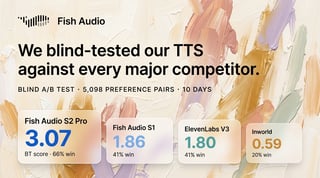
Fish Audio produce constantemente voces que suenan expresivas de la misma forma que lo son las personas reales.
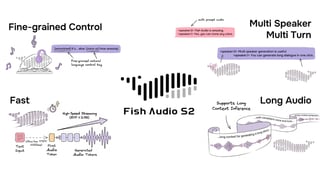
La emoción se transmite a través del fraseo, el ritmo y sutiles cambios de tono, en lugar de un tono exagerado o una intensidad forzada. El resultado se siente humano, ya sea que el guion sea neutral, reflexivo o emocionalmente cargado. Con las etiquetas de emoción, puedes ajustar aún más el tono a tus especificaciones exactas.

La salida de formato largo se mantiene estable. La narración no se desvía. El habla conversacional mantiene su carácter a lo largo de minutos, no solo de frases. Esto es fundamental para audiolibros, ensayos de YouTube, podcasts y productos de voz interactivos. Otro punto fuerte es el realismo multilingüe. El inglés, alemán, japonés, mandarín y otros idiomas mantienen su cadencia natural en lugar de colapsar en el mismo ritmo con diferentes sonidos. Existe una opción gratuita real. El modelo de código abierto s1 mini da acceso a voces naturales y expresivas sin límites artificiales, mientras que el nivel gratuito en el sitio web permite la experimentación y casos de uso básicos con el modelo s1 completo. Para proyectos más grandes, el modelo completo de Fish Audio está disponible a través de una API y funciona bien en streaming en tiempo real, con una latencia ultra baja (menos de 500 ms) y un tono constante.
Si quieres voces que se sientan vivas sin sonar fingidas, Fish Audio es difícil de superar en 2026.
ElevenLabs
ElevenLabs sigue siendo una de las herramientas más sencillas para obtener resultados expresivos rápidamente. Las voces transmiten emociones con claridad y funcionan bastante bien para clips cortos, diálogos de personajes y lecturas dramáticas. Cuando quieres personalidad rápido, la herramienta cumple. En grabaciones más largas, algunas voces pueden forzar la emoción más de lo necesario, lo que puede resultar antinatural según el guion. Con ajustes se puede reducir esto, pero requiere esfuerzo. El nivel gratuito es útil para pruebas, aunque el uso serio suele requerir una suscripción a un precio relativamente alto. Ideal para creadores que buscan una expresión fuerte de inmediato.
Play.ht
Play.ht se centra en la fiabilidad y en una amplia selección de voces. El resultado es limpio y consistente. El ritmo está controlado, lo que funciona bien para narraciones corporativas, tutoriales y contenido informativo. El rango emocional es más limitado y el habla conversacional puede parecer ensayada. Existe acceso gratuito, pero los límites de exportación dificultan confiar en él sin pagar. Es mejor para narraciones directas donde la consistencia importa más que los matices.
Cartesia
Cartesia está diseñado en torno a la síntesis de baja latencia. Las voces responden rápidamente y mantienen un ritmo estable, lo que las hace útiles para asistentes, juegos e interacción en vivo. El rango emocional es más estrecho, pero el ritmo es sólido y predecible. No hay un nivel gratuito significativo, pero la tecnología es digna de mención para casos de uso en tiempo real donde la capacidad de respuesta es fundamental.
Coqui TTS (código abierto)
Coqui es totalmente de código abierto y flexible. La calidad varía según la configuración y el entrenamiento. Tal como viene de fábrica, suele estar por detrás de los sistemas comerciales. Con suficiente ajuste y datos, puede sonar sorprendentemente natural. Aquí no hay una capa de facilidad de uso. Cambias la sencillez por el control. Ideal para equipos que quieren propiedad total de la tecnología y están dispuestos a trabajar en ella.
Voces Gratuitas vs. de Pago
La mayoría de los niveles gratuitos son vistas previas. Buenos para probar, no para lanzar productos. Los modelos de código abierto son la excepción. El s1 mini de Fish Audio te ofrece frases completas, entrega expresiva y un ritmo natural sin límites restrictivos.
Si el objetivo es el realismo, los modelos propietarios completos siguen siendo de primera línea en 2026. Para probar, escucha siempre muestras largas. Las voces de IA a menudo revelan sus debilidades con el tiempo, no al instante.
Conclusión
Los mejores generadores de voz IA en 2026 suenan humanos no porque intenten impresionar, sino porque aciertan en los pequeños detalles. Ritmo. Énfasis. Fluidez. Fish Audio destaca porque sus voces expresan la emoción como lo hacen las personas, de forma natural y constante. Si puedes escuchar durante unos minutos y olvidar que estás evaluando un software, esa suele ser la elección correcta.

Helena is a co-founder of Fish Audio and a researcher building creative AI systems. She makes YouTube videos and farms silver plaques from unhinged experiments. Track her down at helena.games.
Leer más de Helena Zhang